
Dubai Property Investment for Beginners: Everything You
First-time Dubai property investor guide — freehold zones, buying steps, realistic costs, gross vs net yield explained, Golden Visa threshold, common mistakes
By Invest Gulf Editorial · Updated June 7, 2026 · 18 min read
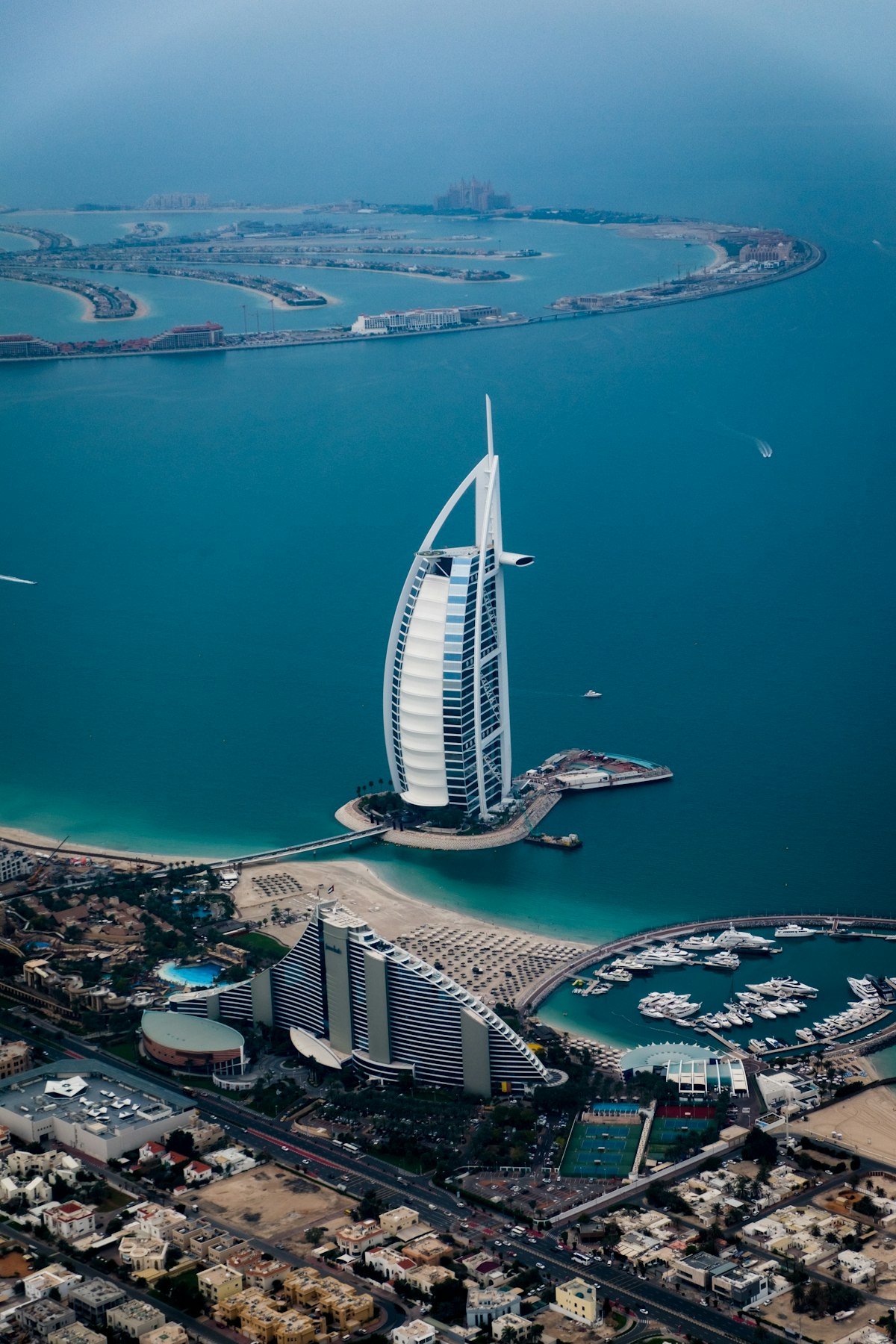
Dubai’s property market offers genuine structural advantages for international investors: 0% personal income tax, freehold title in designated zones, DLD-registered ownership, a transparent transaction record, and yields that outperform many established Western markets on a gross basis. What first-time investors often underestimate is the gap between the headline story and the operational reality — costs beyond the purchase price, net vs. gross yield distinction, and the verification work that separates safe transactions from costly mistakes.
Quick answer: First investment property works best in JVC at AED 700,000–1,200,000. Budget 7–8% above price in acquisition costs. Model net yield at 5–7% (not gross 8–9%). Verify broker on Trakheesi, escrow on Dubai REST, and rent on Ejari before signing anything. UAE Golden Visa requires AED 2M registered purchase.
| Key number | Amount | Notes |
|---|---|---|
| Minimum practical entry | AED 700,000–900,000 | JVC studio / 1BR |
| Total acquisition costs | 6–9% above price | DLD + broker + legal |
| Golden Visa threshold | AED 2,000,000 | Registered value |
| Typical gross yield (JVC) | 7.5–9.2% | Gross before costs |
| Typical net yield (JVC) | 5–7% | After all operating costs |
| Property management fee | 5–10% of annual rent | Remote owner standard |
| 0% personal income tax | Always | No UAE capital gains tax |
Step 1: Understand what you can actually own
Foreign nationals can own property in designated freehold zones only. Dubai has 23+ such zones. Outside these areas, ownership is restricted to UAE and GCC nationals.
Key freehold zones:
- Downtown Dubai (luxury, capital appreciation)
- Dubai Marina (established, balanced)
- JVC — Jumeirah Village Circle (yield-focused, high volume)
- Business Bay (central, yield + growth)
- Palm Jumeirah (ultra-premium, low yield)
- Dubai Hills Estate (family, villas and apartments)
- JLT — Jumeirah Lake Towers (established, mid-market)
- Arabian Ranches (family villas)
- Dubai South (emerging, Expo City)
- Al Furjan (mid-market, growing)
Ownership types: Freehold: complete ownership indefinitely, no expiry. This is what you want. Verify freehold status of any property before engaging.
DLD title deed: The legal record of your ownership, issued at the Registration Trustee Center on transfer day. Verify on Dubai REST app using the property’s address after transfer.
Step 2: Set a realistic budget including acquisition costs
Budget 7–8% above the purchase price for acquisition costs. Here is the complete breakdown for a AED 900,000 JVC apartment:
| Item | Amount |
|---|---|
| Purchase price | AED 900,000 |
| DLD transfer fee (4%) | AED 36,000 |
| Broker commission (2% + VAT) | AED 18,900 |
| Registration Trustee Center | AED 4,200 |
| Title deed and admin | AED 520 |
| Independent legal review | AED 7,000 |
| Total cash needed | AED 966,620 |
If using a mortgage (80% LTV = AED 720,000 loan): Add mortgage registration (0.25% = AED 1,800) and bank valuation (AED 3,000). Down payment: AED 180,000 + acquisition costs AED 66,620 = AED 246,620 minimum cash.
Step 3: Learn the net yield calculation before viewing any property
This is the single most important financial concept for Dubai property investment. Most beginner investors buy based on gross yield from a broker PDF. Net yield is what you actually earn.
Net yield formula: (Annual rent – service charges – management fee – vacancy – maintenance) ÷ purchase price × 100
JVC 1BR example (AED 850,000 purchase, 650 sqft):
| Income/Cost item | Amount |
|---|---|
| Gross annual rent | AED 65,000 |
| Service charges (AED 15/sqft × 650) | – AED 9,750 |
| Property management (8%) | – AED 5,200 |
| Vacancy allowance (7%) | – AED 4,550 |
| Maintenance and reserve | – AED 2,000 |
| Net annual income | AED 43,500 |
| Net yield on AED 850,000 | 5.12% |
Broker quoted 7.6% gross. Actual net: 5.12%. The gap is real but normal — not fraud. The mistake is making a purchase decision on the 7.6% figure without building the net model.
Where to get the inputs:
- Rent: Ejari transacted rents for same building (not listing prices)
- Service charges: Mollak filing for that specific building
- Management fee: quotes from 3 Dubai property management companies
- Vacancy: 7% citywide baseline; prime communities 4–5%
Step 4: Choose community before choosing property
Community selection drives your yield, capital appreciation, and liquidity. Match community to investment objective:
| Objective | Community | Why |
|---|---|---|
| Maximum yield | JVC, Dubai Sports City, Discovery Gardens | AED 900–1,200/sqft, 7–9% gross |
| Best capital appreciation | Palm Jumeirah, Downtown, Marina | Strong demand, limited supply |
| Balanced yield + growth | Business Bay, JLT, Al Furjan | AED 1,100–1,800/sqft, 6–7.5% gross |
| STR (Airbnb-focused) | Dubai Marina, JBR, Downtown | Tourist footfall, DET permit available |
| Budget entry + high yield | International City, Dubai South | AED 400–700/sqft, 9–12% gross (lower liquidity) |
| Golden Visa (AED 2M target) | Any community at qualifying price | Buy larger or premium unit |
Step 5: Verify everything before paying anything
This is where most costly mistakes occur. Run all four checks before transferring a single dirham:
Check 1 — Broker RERA registration (2 minutes): Open Trakheesi portal. Search broker name. Verify status: Active. Verify brokerage matches business card. Sign Form B before any viewing.
Check 2 — Property on Dubai REST (5 minutes): Search property address. Confirm ownership matches seller name. For off-plan: confirm escrow account is Active and linked to the project.
Check 3 — Service charges on Mollak (5 minutes): Search building name. Note AED/sqft service charge. Compare to broker’s stated figure. Wide discrepancy is a warning sign.
Check 4 — Comparable rents on Ejari (10 minutes): Ask broker for three recent Ejari transactions in same building, same unit type. If broker cannot provide Ejari data, find it independently or request from a competing agent.
Step 6: Understand the purchase process
Secondary (ready) market:
- Find property → verify checks above
- Negotiate price → sign MOU with 10% deposit
- Developer NOC obtained (seller’s responsibility, 1–2 weeks)
- Attend Registration Trustee Center with seller
- Pay 4% DLD + trustee fees
- Receive Title Deed
Off-plan (under construction):
- Find project → verify developer on Trakheesi, escrow on Dubai REST
- Pay reservation deposit → sign SPA within specified days
- SPA includes Oqood registration commitment (within X days)
- Pay milestones to DLD-registered escrow IBAN only
- Receive Oqood certificate (legal record during construction)
- Handover → snagging inspection → keys → DLD Title Deed
Timeline: Secondary market typically completes in 4–6 weeks (cash) or 8–10 weeks (mortgage). Off-plan completes at handover — which may be 2–4 years from SPA signing.
The six most expensive beginner mistakes
Mistake 1: Buying based on gross yield without modelling net. Already covered above. Net is 20–30% lower than gross in most communities.
Mistake 2: Not verifying the broker on Trakheesi. Results in: deposit to personal account, no legal protection, potential fraud. Cost: entire deposit + pursuit through Dubai Police.
Mistake 3: Paying off-plan without confirming Dubai REST escrow. Same risk as above: no escrow = no DLD protection if developer defaults.
Mistake 4: Buying in a low-transaction-volume community without research. International City offers 10% gross yield but marketing times for resale can be 6–12 months. JVC at 8% with 200+ monthly transactions is far more liquid.
Mistake 5: Ignoring service charges. Buying a Marina apartment with AED 28/sqft service charges when JVC at AED 16/sqft offers nearly identical rent consumes AED 9,600/year more on an 800 sqft unit.
Mistake 6: No independent legal review. An AED 5,000–10,000 lawyer review of an SPA is the cheapest insurance available. Catch: missed penalty clauses, unfavourable cancellation terms, service charge obligations, maintenance liabilities.
What UAE taxes you will and will not pay
| Tax | Rate | Notes |
|---|---|---|
| UAE personal income tax | 0% | Zero on all income including rent |
| UAE capital gains tax | 0% | Zero on property sale profits |
| UAE corporate tax (if company) | 9% above AED 375,000 | Only if property held in UAE company |
| DLD transfer fee | 4% | One-time at purchase |
| Service charges | AED 10–40/sqft/year | Ongoing operating cost |
| Tourism Dirham (STR) | ~AED 15/room/night | If doing short-term rental |
Home country tax obligations: Foreign investors from taxed countries (UK, France, Germany, India) may have home country reporting obligations on UAE rental income. Consult a tax advisor in your home country. UAE 0% tax does not automatically exempt you from reporting requirements in your country of tax residence.
Related guides
| Topic | Guide |
|---|---|
| Fraud prevention | Dubai Property Scams Red Flags |
| Broker verification | RERA Broker Verification Dubai |
| Foreign buyer rights | Foreign Owner Rights UAE Property |
| Portfolio strategy for growth | Dubai Property Portfolio Strategy |
| Buying as a foreigner | Buy Property Dubai Foreigner |
Advanced beginner strategies: beyond the first purchase
Once you understand the fundamentals, several advanced strategies can accelerate portfolio growth and optimize returns for first-time Dubai property investors.
The 18-month reinvestment strategy
Many successful Dubai property investors follow a systematic reinvestment approach:
Months 1-6: Purchase first property, establish rental income, learn market dynamics through direct experience.
Months 7-12: Use rental income and market knowledge to identify second property opportunity. Begin saving additional capital.
Months 13-18: Purchase second property using equity appreciation from first property (if available) plus saved capital.
Example execution:
- Month 1: Purchase JVC 1BR for AED 850,000
- Month 8: Property valued at AED 920,000, generating AED 65,000 annual rent
- Month 15: Use AED 70,000 equity + AED 80,000 additional capital for AED 750,000 second property
- Result: AED 130,000+ combined annual rental income on AED 1.6M invested capital
Cross-community diversification for beginners
Rather than concentrating in one community, diversification reduces risk and provides market education:
Geographic Diversification Strategy:
- Property 1: JVC (high yield, established market)
- Property 2: Business Bay (yield plus capital appreciation)
- Property 3: Dubai South (emerging area, lower entry)
Product Diversification Strategy:
- Property 1: Studio (maximum yield, easy tenant placement)
- Property 2: 1BR (family appeal, longer tenancy)
- Property 3: 2BR (premium tenants, capital appreciation)
Timeline Diversification Strategy:
- Property 1: Ready apartment (immediate income)
- Property 2: Off-plan 12-18 months to handover (moderate timeline)
- Property 3: Off-plan 24-36 months to handover (maximum appreciation potential)
Mortgage optimization for portfolio growth
UAE banks allow multiple property mortgages for qualifying borrowers. Strategic mortgage use accelerates portfolio growth:
Progressive LTV Strategy:
- Property 1: 80% LTV (minimum down payment)
- Property 2: 75% LTV (moderate leverage)
- Property 3: 70% LTV (conservative approach as portfolio grows)
Income Documentation Progression:
- UAE employment visa holders can leverage salary growth for increased borrowing capacity
- Property rental income counts toward qualifying income for additional mortgages after 2+ years of Ejari history
- UAE business owners can use business income for mortgage qualification after 2+ years of UAE tax registration
Relationship Banking Benefits:
- Establish primary banking relationship with mortgage provider
- UAE bank credit cards, savings accounts, and investment products often provide preferential mortgage terms
- Portfolio discounts available from some UAE banks for multiple mortgage relationships
Risk management for first-time investors
Understanding and mitigating risks separates successful long-term investors from those who exit the market after negative experiences.
Market cycle risk management
Dubai property operates in cycles. First-time investors should understand cycle dynamics:
Cycle Awareness:
- Dubai historically experiences 5-7 year appreciation cycles followed by 2-3 year consolidation periods
- Global financial conditions, oil prices, and UAE economic policy drive cycles
- Entry during consolidation periods typically generates better long-term returns
Timing Strategy:
- Purchase during market stability or early growth phases
- Avoid aggressive purchases during obvious bubble conditions (rapid price increases with declining yields)
- Plan hold periods of 5+ years to capture full cycle benefits
Cash Flow Protection:
- Maintain 6-12 months of service charges, mortgage payments, and void allowances in UAE bank account
- Don’t leverage to maximum capacity — retain buffer for market downturns
- Consider mortgage protection insurance for employment visa holders
Regulatory change adaptation
UAE property regulations evolve. Successful investors adapt rather than resist:
Recent Regulatory Changes (2020-2026):
- Mortgage regulation changes affecting LTV ratios and qualification criteria
- Visa regulation changes including Golden Visa and investor visa thresholds
- Municipality fee structures and service charge regulation updates
- Short-term rental regulation changes affecting STR income potential
Adaptation Strategies:
- Join property investor groups and stay informed of regulatory developments
- Maintain relationships with UAE property lawyers for significant regulation changes
- Budget conservatively for potential fee or tax structure changes
- Choose properties and strategies robust to regulatory uncertainty
Liquidity risk management
Property is illiquid compared to stocks or bonds. Plan for liquidity needs:
Emergency Liquidity Planning:
- Maintain UAE bank accounts with 6+ months of property-related expenses
- Establish UAE bank credit facilities secured by property if immediate liquidity needs arise
- Consider partial portfolio liquidation rather than forced sale of entire holdings
Exit Strategy Planning:
- Identify optimal exit conditions (property appreciation targets, personal liquidity needs, market cycle timing)
- Monitor transaction volume and pricing trends in your communities 12+ months before planned exit
- Use property management rental income to fund patient selling approach rather than forced rapid exit
Tools that actually matter: Dubai REST (Ejari + escrow), Mollak service charges, DLD Trakheesi for listing verification — not PropTech dashboards. Start with Due diligence Dubai property and Dubai REST app due diligence.
Building professional networks in Dubai property
Successful property investment requires reliable professional relationships. Building these networks prevents costly mistakes and identifies opportunities.
Essential professional relationships
UAE Property Lawyer:
- Independent legal review of all purchase contracts (AED 5,000-10,000 per transaction)
- Ongoing advice on UAE property law changes, inheritance planning, and dispute resolution
- Essential for off-plan purchases and complex transactions
RERA-Registered Property Broker:
- Verify through Trakheesi before any engagement
- Establish relationships with 2-3 brokers across different communities for market intelligence
- Good brokers provide Ejari data, service charge information, and market timing advice
Licensed Property Management Company:
- Interview 3+ management companies before selection
- Request references from existing clients and visit managed properties
- Management quality directly impacts net yield and long-term property condition
UAE-Licensed Accountant:
- Annual financial review of property investment performance
- Tax planning advice for international investors
- Business structure advice for investors considering UAE company ownership
Mortgage Broker or Bank Relationship Manager:
- Established relationship accelerates future mortgage applications
- Market intelligence on changing lending conditions and rates
- Portfolio-level lending strategies for multi-property investors
Professional development and education
UAE Property Investment Groups:
- Regular meetups provide market intelligence and networking opportunities
- Online forums (LinkedIn groups, Facebook communities) offer ongoing education and problem-solving
- Local chapters of international real estate organizations (often based in Dubai Marina or DIFC)
Real Estate Education Programs:
- RERA offers investor education seminars on UAE property law and market conditions
- Dubai Land Department provides periodic market briefings and regulation updates
- International property investment courses adapted for UAE market conditions
Industry Events and Conferences:
- Cityscape Dubai (annual property exhibition) for market trends and new project launches
- UAE property investor conferences for advanced strategies and market analysis
- Banking and finance seminars focused on UAE mortgage and investment products
International tax considerations for Dubai property investment
While UAE imposes no income tax on individuals, Dubai property investment may create tax obligations in investors’ home countries.
Common international tax issues
Rental Income Reporting: Most countries require citizens and tax residents to report UAE rental income on annual tax returns, even though UAE imposes no local tax.
Currency Translation Requirements:
- Rental income must be translated to home currency using appropriate exchange rates
- Property appreciation calculations require currency translation for capital gains computation
- Some countries require specific translation methodologies (annual average rates vs. transaction date rates)
Double Taxation Treaty Benefits:
- UAE has double taxation treaties with 90+ countries
- Treaties often provide mechanisms to avoid double taxation of rental income
- Professional tax advice essential to claim treaty benefits properly
Country-specific considerations
United Kingdom:
- UK tax residents must report UAE rental income on Self Assessment returns
- Non-domiciled UK residents may benefit from remittance basis taxation
- Capital gains tax may apply to UAE property sales depending on residency status and treaty provisions
Germany:
- German tax residents report UAE rental income with potential foreign tax credit mechanisms
- Substantial UAE presence may affect German tax residency status
- Complex interaction between German investment taxation and UAE property ownership
India:
- Indian tax residents report UAE rental income under “Income from House Property”
- Liberalised Remittance Scheme allows USD 250,000 annual remittances for property purchase
- TDS and advance tax implications for significant UAE property income
United States:
- US citizens report UAE rental income regardless of residence status due to citizenship-based taxation
- FATCA reporting requirements for UAE bank accounts and property ownership
- Foreign earned income exclusion and foreign tax credits may provide relief mechanisms
Home-country tax planning
Residency planning:
- UAE Golden Visa or investor visa may support claims for UAE tax residency in home country
- Substantial presence test requirements vary by country — professional advice essential
- Family and economic ties considerations beyond simple physical presence
Ownership structure:
- Some investors use international investment structures rather than direct personal ownership
- UAE company ownership may create different home-country reporting — model before buying
- Trust structures for estate planning are complex and require qualified cross-border advice
First-year checklist after you complete
Most beginner mistakes happen after DLD transfer, not during viewing.
| Month | Task | Why |
|---|---|---|
| 0 | Ejari + DEWA tenant account setup | Legal tenancy baseline |
| 0 | RERA-licensed management contract | Required for professional rent |
| 1 | Snagging list if off-plan handover | Developer fixes window closes |
| 1 | Landlord insurance quote | Building policy ≠ contents |
| 3 | First DEWA reconciliation | Catch tenant misuse early |
| 6 | Service charge invoice review | SC spikes hit net yield |
| 12 | Rent benchmark vs Dubai rent by area | Avoid below-market renewal |
Keep a single folder: title deed, Oqood (if off-plan), Ejari, DEWA bills, SC receipts, management statements.
Common beginner mistakes in year one
- Using gross yield as net — SC, void, and management eat 1.5–2.5% on apartments
- Self-managing from abroad — RERA rules and tenant disputes need local licence
- Skipping snagging — AC, leaks, and balcony drainage are expensive after handover
- No reserve fund — budget AED 5,000–15,000 for first-year appliance and AC service
- Buying the cheapest unit in a bad building — low price often means high SC or weak occupancy
- Ignoring home-country reporting — UAE 0% tax does not exempt UK/US/IN/EU filing
When to consider a second property
Add unit two only when unit one shows:
- 12 months clean Ejari history
- Net yield within 0.5% of your model
- Management reporting you trust without flying in
- 6 months operating reserve after SC and mortgage
Second purchase often works better in a different community (tenant diversification) than two identical 1BRs in the same tower — correlated void if the building has lift or chiller issues.
→ Best areas to buy property Dubai · Gross vs net yield Dubai
Data reflects DLD, RERA, and market conditions through Q1 2026. Entry prices and yields are indicative — verify on Dubai REST, Mollak, and Ejari for specific buildings at time of purchase. This guide is for information purposes only and does not constitute legal or investment advice.
Frequently Asked Questions
The practical minimum for a Dubai investment property in 2026 is approximately AED 700,000–900,000 (USD 190,000–245,000) for a studio or 1-bedroom apartment in a high-yield community like JVC. Total cash required: purchase price plus approximately 6–9% in acquisition costs (4% DLD, 2% broker, registration, legal). Using an 80% LTV mortgage: minimum cash deployed is approximately AED 200,000 down payment plus AED 60,000–80,000 in acquisition costs = AED 260,000–280,000. Cash purchase of a starter investment requires AED 750,000–1,000,000 total.
Dubai property investment is as safe as your due diligence. The legal framework — DLD registration, RERA-regulated escrow, Trakheesi broker verification — provides institutional protection unavailable in many markets. The risks are real but largely preventable: unlicensed brokers, unregistered escrow, and inflated yield projections are the primary failure modes. First-time international buyers should: verify every broker on Trakheesi; confirm escrow on Dubai REST; model net (not gross) yield; and engage a UAE property lawyer for AED 5,000–10,000 — the single best investment protection at any price point.
JVC (Jumeirah Village Circle) is the most common first investment community for yield-focused international buyers: AED 900–1,400/sqft entry, 7.5–9.2% gross yield, large transaction volume for resale liquidity, and a well-established rental tenant pool. For budget AED 700,000–1,000,000, JVC 1BR apartments offer the best documented return per dirham invested. Business Bay is the alternative for those prioritising capital appreciation alongside income. Dubai Marina and Downtown are for capital appreciation plays, not first-time yield investments.
Yes — most international Dubai investors manage properties remotely through UAE-licensed property management companies. Standard management fee: 5–10% of annual rent. The manager handles tenant sourcing, Ejari registration, lease signing, maintenance coordination, and rent collection. You receive monthly rent transfers to your nominated bank account. DET Holiday Home Permit for STR is also manageable remotely through a licensed operator. Remote management adds 5–10% of gross rent in cost but is entirely workable — thousands of absentee international investors operate Dubai portfolios this way.
Gross yield = annual rent ÷ purchase price × 100. Net yield = (annual rent – service charges – management fee – vacancy allowance – maintenance) ÷ purchase price × 100. Example: AED 850,000 JVC apartment, AED 70,000 rent = 8.2% gross. After service charges (AED 12,000), management (AED 5,600), vacancy (AED 4,900), maintenance (AED 2,000): net income AED 45,500 = 5.4% net. Marketing always shows gross. Underwrite on net. The 2.8 percentage point gap is not loss or fraud — it is the real operating cost of owning property.
Property purchase alone does not give automatic residency. However, purchasing AED 2 million or more in registered freehold property qualifies for the UAE Golden Visa (10-year renewable residency) for the investor and immediate family. For properties below AED 2 million, a 2-year investor visa may be available at the AED 750,000 threshold. The property purchase and visa application are separate processes — property must be registered first, then visa application submitted through GDRFA/ICP. Processing takes 5–15 business days; cost approximately AED 4,000–5,500 per applicant.
The most expensive and most common mistake is buying based on gross yield from a broker presentation without modelling net yield. The second most common mistake is paying outside RERA-regulated escrow (to personal accounts, to developers without Dubai REST-active escrow). The third is buying in communities with low transaction volume for the price point — making resale take 6–12 months rather than 4–8 weeks. Rule: model net yield; verify escrow; and choose communities with transaction volume above 200 deals per year in your price bracket.
Get a Gulf property shortlist
Tell us your budget and market (Dubai, Abu Dhabi, RAK). We reply within one business day with options matched to your goals.