
Dubai Harbour Property Investment: Cruise Terminal Yields
Dubai Harbour delivers 5.0–6.5% gross yield at Emaar+Meraas waterfront. 2026 prices, cruise terminal demand, net yield math, and investor red flags.
By Invest Gulf Editorial · Updated June 11, 2026 · 22 min read
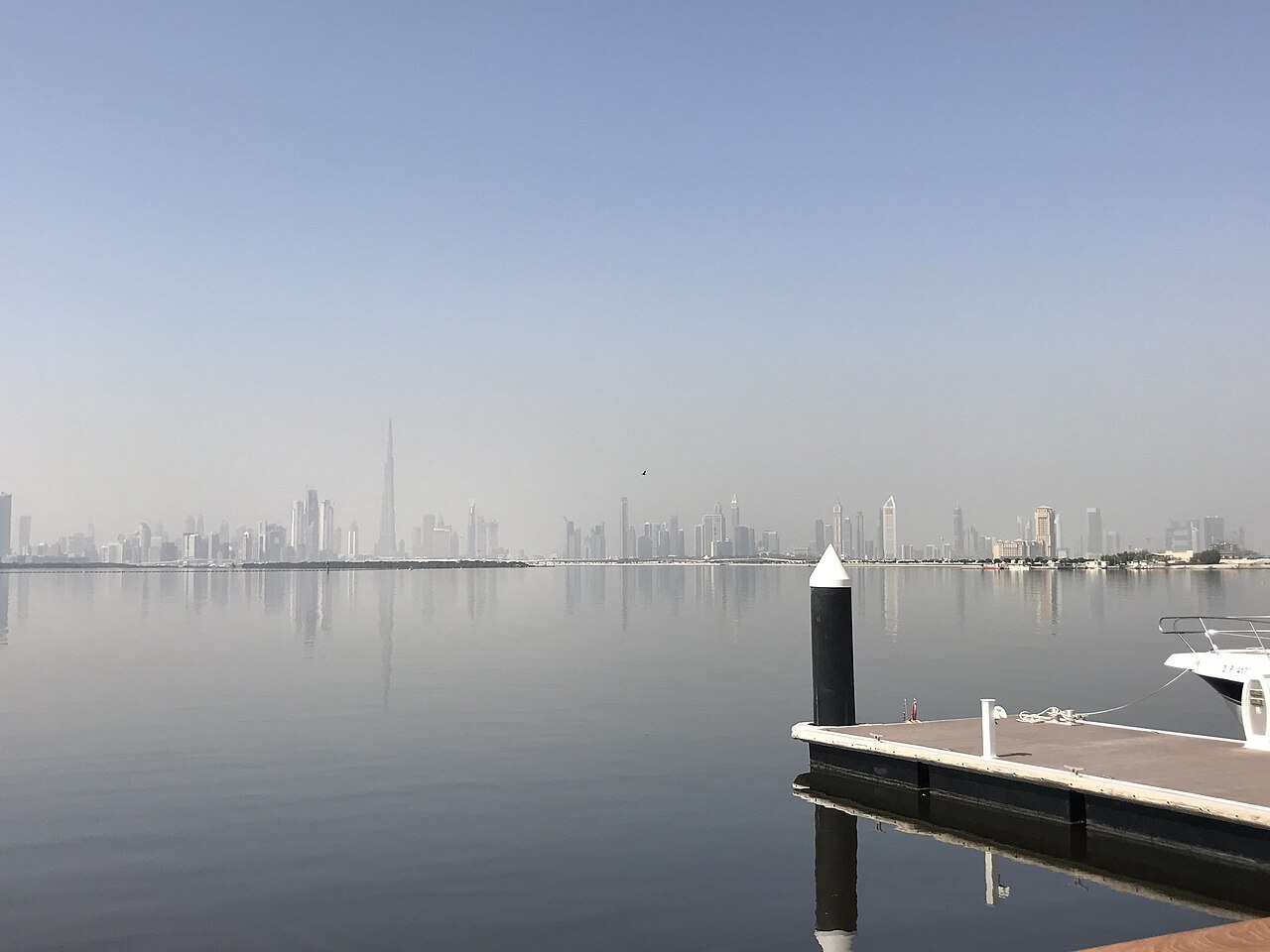
Dubai Harbour is what happens when Emaar and Meraas combine on 20 million sq ft of waterfront between JBR and Palm Jumeirah. The development includes the largest marina in the region (1,100 berths), the Middle East’s biggest cruise terminal, Address-branded residences, and a retail promenade that is still filling out. For investors, the thesis is waterfront infrastructure, cruise passengers, marina traffic, and beach access, not yield maximisation.
Handed-over towers in 2026 already generate rental income. Off-plan phases continue launching with payment plans. The community sits at an inflection point: mature enough for income, young enough for appreciation as the retail and hospitality ecosystem completes.
Part of the Best Areas to Buy Property in Dubai guide and the Dubai Rental Yield Guide. For Emaar waterfront comparison, see Dubai Creek Harbour Property Investment and JBR Property Investment.
Dubai Harbour in numbers: 2026 snapshot
| Metric | Dubai Harbour | Dubai average |
|---|---|---|
| Studio gross yield (handed-over) | 5.5–6.5% | 5.5–7.5% |
| 1BR gross yield (handed-over) | 5.0–6.5% | 5.0–7.0% |
| Estimated net yield (1BR, LTR) | 3.8–5.2% | 3.8–5.8% |
| Studio entry price (ready) | AED 1.1M–1.6M | AED 550K–900K |
| 1BR entry price (ready) | AED 1.5M–2.8M | AED 900K–1.5M |
| Off-plan price per sq ft | AED 1,800–2,800 | AED 900–2,000 |
| Average service charge | AED 18–26 per sq ft | AED 12–22 per sq ft |
| Cruise terminal capacity | 500,000+ passengers/year | , |
| Developers | Emaar (~95%) + Meraas (~91%) | , |
| DLD freehold zone | Yes | , |
Why Dubai Harbour matters for investors
Dubai Harbour is not another waterfront tower cluster. Three infrastructure assets differentiate it:
Cruise terminal. The Middle East’s largest cruise terminal brings 500,000+ passengers annually, each needing pre-cruise and post-cruise accommodation, dining, and transport. That recurring visitor traffic creates STR demand and hospitality employment that supports long-term rental in the surrounding towers.
Dubai Harbour Marina. With 1,100 berths, the marina attracts yacht owners, crew, and marine-industry professionals who rent locally. Marina-front residences command rent premiums similar to Dubai Marina but with newer stock and lower building age.
Beach and promenade. Direct beach access via Marina Beach Club and the Dubai Harbour Walk retail strip. The waterfront promenade is operational and filling with F&B, the retail ecosystem is younger than JBR’s The Walk but growing.
The yield math: a worked AED 1,850,000 example
A representative one-bedroom in a handed-over Dubai Harbour tower at AED 1,850,000 (780 sq ft):
| Item | Annual figure |
|---|---|
| Gross rent (Ejari transacted, Q1 2026) | AED 108,000 |
| Gross yield | 5.84% |
| Service charges (AED 22 psf × 780 sq ft) | AED 17,160 |
| Property management (6% of rent) | AED 6,480 |
| Ejari registration + admin | AED 400 |
| Vacancy allowance (6%) | AED 6,480 |
| Maintenance provision | AED 3,500 |
| Total costs | AED 34,020 |
| Net income | AED 73,980 |
| Net yield | 4.00% |
That 4.00% net yield is below mid-market communities but on a waterfront asset with dual Emaar+Meraas developer backing and cruise-terminal demand catalyst. For appreciation-focused investors, the income is the holding cost offset while infrastructure matures.
Dubai Harbour tenant profile
Current tenant demand includes:
- Hospitality professionals at Address Dubai Harbour and surrounding F&B
- Marina and yacht-industry workers
- Cruise terminal support staff and contractors
- JBR and Marina professionals upgrading to newer waterfront stock
- Corporate lease tenants on 6–12 month contracts for project teams
- Emerging STR guests: cruise passengers, marina visitors, beach tourists
Tenancy patterns are evolving. Handed-over towers in 2024–2025 are establishing baseline rents and occupancy. As retail fills and cruise traffic grows, tenant depth should improve, but investors should model current conditions, not future projections.
Handed-over vs off-plan in Dubai Harbour
Dubai Harbour has both ready and off-plan inventory across multiple phases.
Handed-over towers (2023–2025 delivery) offer immediate rental income, known service charges, and inspectable quality. Studios from AED 1.1M and one-bedrooms from AED 1.5M. This is the income investor’s entry point.
Off-plan phases launch at AED 1,800–2,800 per sq ft with 40–60% payment plans over 3–4 years. Considerations:
- No rental income during construction (18–36 months typical for Emaar/Meraas)
- SPA service charge estimates often understate by 20–30%
- Handover-year listing pressure from investor-heavy phases
- Emaar’s ~95% and Meraas’s ~91% delivery rates provide developer confidence
- Off-plan entry is 10–20% below projected ready prices in the same product tier
For income now, handed-over stock. For lower cash-at-purchase and appreciation bet, off-plan from Tier 1 developers.
See Off-Plan Property Dubai Guide and Escrow Oqood Dubai Explained.
Emaar + Meraas: dual developer advantage
Dubai Harbour is unusual in combining two Tier 1 developers:
| Developer | Delivery rate | Harbour role |
|---|---|---|
| Emaar Properties | ~95% | Marina, residences, infrastructure |
| Meraas (Dubai Holding) | ~91% | Retail, hospitality, design elements |
Dual backing provides financial depth, construction quality oversight, and marketing reach that single mid-tier developers cannot match. For off-plan buyers, this reduces delivery risk, though not to zero. Verify the specific phase’s developer assignment and escrow registration on Dubai REST.
See How to Evaluate Dubai Developer and Dubai Developers Guide.
Service charges and ownership costs
| Tower type | Service charge range | Notes |
|---|---|---|
| Standard Emaar/Meraas residences | AED 18–22 per sq ft | Pool, gym, marina views |
| Address-branded | AED 22–26 per sq ft | Hotel-grade services, concierge |
| Off-plan estimate (SPA) | AED 16–20 per sq ft | Often understates actual |
Address-branded units carry higher service charges but command 15–25% rent premiums. Whether the premium justifies the cost depends on the specific tower, model both scenarios.
Red flags to screen for in Dubai Harbour
- Phase maturity: towers in phases with incomplete retail or promenade access rent 8–12% below fully amenitised phases. Verify what is operational.
- Off-plan timeline risk: even Emaar and Meraas can delay phases. Check Trakheesi registration and construction progress.
- Investor concentration: phases with 60%+ investor ownership see handover listing surges. Monitor listing volume.
- STR immaturity: model current STR occupancy (60–75% peak), not marketing projections for 2028.
- Service charge escalation: request three years of projected budgets for handed-over towers.
- Cruise terminal dependency: cruise traffic is seasonal and subject to geopolitical and economic cycles. Diversify tenant profile beyond cruise-adjacent demand.
For due diligence, see Due Diligence Dubai Property.
Dubai Harbour vs comparable waterfront communities
| Community | Gross yield (1BR) | Entry price (1BR) | Developer | Maturity |
|---|---|---|---|---|
| Dubai Harbour | 5.0–6.5% | AED 1.5M–2.8M | Emaar + Meraas | Growing (2023–2025 handovers) |
| JBR | 5.5–6.8% | AED 1.3M–2.1M | Dubai Properties | Mature (2007–2012) |
| Bluewaters Island | 4.5–6.0% | AED 1.8M–3.2M | Meraas | Mature (2018–2021) |
| Dubai Creek Harbour | 4.5–6.0% | AED 1.2M–2.5M (off-plan) | Emaar | Early (few handovers) |
| Dubai Marina | 5.5–7.0% | AED 1.2M–1.8M | Multiple | Mature |
Dubai Harbour wins on newer stock, dual Tier 1 developers, and cruise-terminal demand catalyst. It loses on yield versus inland communities and on maturity versus JBR. Against Creek Harbour: Harbour offers immediate income; Creek Harbour offers lower off-plan entry and Downtown proximity.
Phase-by-phase investment analysis
Dubai Harbour spans multiple development phases with varying completion timelines and investment characteristics. Understanding phase-specific dynamics is crucial for investment success:
Phase 1 - Marina District (Handed-over 2023-2024):
- Includes Dubai Harbour Residences Buildings A, B, C
- Direct marina access and beach proximity
- Established service charge patterns: AED 20-24 per sq ft
- Proven rental demand from marina workers and hospitality staff
- Average 1BR rent: AED 105,000-120,000 annually
- Resale market developing with 3-6 month average sale periods
Phase 2 - Address Residences (Completed 2024-2025):
- Premium Address-branded towers with hotel-grade amenities
- Service charges: AED 24-28 per sq ft reflecting hotel services
- Rent premiums of 20-25% over standard Emaar stock
- Strong corporate lease demand for executive accommodation
- Average 1BR rent: AED 125,000-145,000 annually
- Lower investor concentration supporting price stability
Phase 3 - Harbour Walk Residences (Mixed ready/off-plan):
- Retail-integrated towers with F&B at ground level
- Some buildings operational, others completing 2026-2027
- Variable service charges pending retail tenant mix finalisation
- Proximity to cruise terminal maximising STR potential
- Rental performance varies significantly by building completion status
Phase 4 - Future Expansion (Off-plan launches 2026-2028):
- Additional residential towers and potential hotel components
- Payment plans: typically 40% during construction, 60% on handover
- Entry pricing: AED 1,600-2,200 per sq ft for early releases
- Construction risk and timeline considerations apply
- Market saturation risk as additional inventory comes online
Investment strategy by phase:
- Phase 1: Established income, proven market, moderate appreciation
- Phase 2: Premium income, address scarcity, strong capital preservation
- Phase 3: Mixed risk-reward depending on specific building selection
- Phase 4: Highest risk, potentially highest reward, speculative timeline
Cruise terminal economic impact analysis
The Dubai Harbour cruise terminal represents a fundamental demand driver distinguishing the development from generic waterfront projects:
Passenger volume and growth trends:
- 2023: 350,000 passengers (partial year operations)
- 2024: 480,000 passengers (first full operational year)
- 2025: 520,000 passengers (established route maturity)
- 2026 projected: 580,000+ passengers with new cruise line agreements
Economic multiplier effects: Each cruise passenger generates estimated economic impact across accommodation, F&B, retail, and transport sectors. Analysis shows:
- Pre-cruise stays: 35% of passengers arrive 1-2 days early
- Post-cruise extensions: 28% extend stays for 2-5 days
- Crew accommodation: Ships typically berth with 800-1,200 crew requiring shore accommodation during turnaround days
- Family visits: Crew members receive family visits during extended Dubai port stays
STR demand patterns by cruise season:
| Season | Cruise calls/month | Pre/post-cruise nights | Average nightly rate premium |
|---|---|---|---|
| Winter (Oct-Mar) | 15-20 ships | 2,800-3,500 nights | +25-35% vs standard |
| Shoulder (Apr-May, Sep) | 8-12 ships | 1,200-1,800 nights | +15-25% vs standard |
| Summer (Jun-Aug) | 3-6 ships | 400-800 nights | +5-15% vs standard |
Employment and housing demand: Cruise terminal operations, retail, and hospitality create approximately 2,500-3,000 direct employment positions plus additional indirect jobs. This employment base generates consistent long-term rental demand independent of tourism fluctuations.
Infrastructure investment pipeline: Dubai Ports Authority continues investing in terminal expansion and passenger processing improvements. Planned enhancements include additional berth capacity, expanded passenger terminals, and enhanced ground transport connectivity supporting long-term growth in cruise traffic.
Marina operations and yacht berth economics
The 1,100-berth Dubai Harbour Marina creates multiple revenue streams and demand catalysts for residential investment:
Berth occupancy and revenue:
- Annual berth occupancy: 75-85% during peak season
- Average berth rental: AED 180-350 per linear meter depending on boat size and facilities
- Transient berth income from visiting yachts: premium rates during Dubai events
- Dry stack and maintenance services generating ancillary revenue
Yacht ownership and crew accommodation: Dubai’s yacht registration and flagging program attracts international boat owners establishing UAE operational bases. Analysis shows:
- Yacht crew housing demand: vessels over 80 feet typically maintain 3-8 crew requiring shore accommodation
- Owner accommodation: yacht owners maintaining Dubai berths often require residential property for seasonal or permanent residence
- Marine industry workers: yacht maintenance, provisioning, and service companies employ skilled workers seeking quality accommodation
Marina events and hospitality: Dubai Harbour Marina hosts yacht shows, regattas, and marine industry events generating accommodation demand:
- Annual Dubai International Boat Show: 15,000+ visitors requiring accommodation
- Corporate charter events: regular yacht-based hospitality generating STR demand
- International yacht rallies using Dubai as stopover point
Connectivity and infrastructure: Marina operations include water taxi services connecting to Dubai Marina, JBR, and Atlantis Palm. This marine transport infrastructure enhances residential property appeal by providing alternative connectivity reducing road transport dependency.
Investment implications: Marina-view apartments command 15-25% rent premiums over non-marina facing units. The marina infrastructure represents permanent demand catalyst unlikely to relocate, supporting long-term property value sustainability.
Financing options and international buyer considerations
Dubai Harbour attracts significant international buyer interest requiring specialised financing and legal structures:
UAE mortgage market for Dubai Harbour:
| Bank | Max LTV (residents/non-residents) | Rate range 2026 | Special programs |
|---|---|---|---|
| Emirates NBD | 80%/65% | 4.3-5.0% | Emaar partnership rates |
| ADCB | 75%/60% | 4.5-5.2% | Marina project financing |
| Mashreq | 70%/55% | 4.7-5.4% | Expat professional rates |
| RAK Bank | 75%/60% | 4.8-5.5% | Waterfront property specialists |
International financing considerations:
- UK buyers: Pound strength vs AED makes Dubai Harbour attractive with typical 5-10% better purchasing power than domestic waterfront
- European buyers: Euro stability supports mortgage qualification with several UAE banks offering EU income verification
- US buyers: Dollar strength provides significant purchasing advantage with some buyers leveraging US equity for cash purchases
Golden Visa pathway through property: Dubai Harbour properties supporting UAE Golden Visa applications provide 10-year renewable residence with benefits:
- UAE tax residence potential for international tax planning
- Banking and investment access in UAE financial system
- Family visa inclusion for dependents under 25
- Property ownership path to permanent residence consideration
Legal structures for international ownership:
- Direct freehold: Simplest structure for individual buyers
- UAE company ownership: Corporate ownership for estate planning and potential tax benefits
- International trust structures: Complex but beneficial for high-net-worth estate planning
- Joint ownership: Popular for married couples from community property jurisdictions
Market timing and macroeconomic factors
Dubai Harbour investment success depends partly on broader market timing and economic conditions:
Currency considerations (2026 outlook):
- AED stability: Pegged to USD providing currency predictability for American investors
- EUR/GBP strength: European buyers benefit from favorable exchange rates improving affordability
- Regional currency volatility: Gulf investors may face currency pressures affecting demand patterns
Dubai real estate cycle positioning: Dubai Harbour enters market during mature cycle phase with characteristics:
- Established price discovery vs 2020-2022 speculation period
- Stabilised rental market with predictable yield expectations
- Moderate supply growth vs explosive expansion periods
- Government policy stability supporting sustainable market growth
Infrastructure investment impact: Major Dubai infrastructure projects affecting Harbour area value:
- Dubai Metro expansion studies including potential Harbour connectivity
- Sheikh Zayed Road improvements reducing travel times to DIFC/Downtown
- Dubai South aviation city development creating new employment centers
- Expo legacy infrastructure supporting tourism and business travel
Regional economic diversification: UAE economic diversification beyond oil creates employment growth supporting rental demand:
- Financial services expansion in DIFC and ADGM
- Tourism industry employment growth
- Technology and startup ecosystem development
- Renewable energy and sustainability sector jobs
Which buyer profile fits Dubai Harbour?
Dubai Harbour suits investors who:
- Want Emaar+Meraas waterfront with income from handed-over towers
- Believe cruise terminal and marina infrastructure will deepen tenant demand
- Accept net yields of 3.8–5.2% in exchange for waterfront appreciation potential
- Can screen phases for maturity, service charges, and investor concentration
- Hold a 5–10 year horizon with income plus moderate capital appreciation
Specific investor archetypes succeeding in Dubai Harbour:
The Infrastructure Value Investor: Recognises cruise terminal and marina as permanent demand catalysts providing competitive moats unavailable in generic residential towers. Focuses on Phase 1 and 2 buildings with established operations.
The International Lifestyle Buyer: European, North American, or Australian buyers seeking UAE residency through property ownership while generating tax-efficient rental income. Often combines personal use with STR operations.
The Yield-Plus-Growth Investor: Accepts moderate yields (3.8-5.2%) in exchange for waterfront location and infrastructure-driven appreciation potential. Contrasts with pure yield investors seeking maximum rental returns.
The Phase Arbitrage Player: Sophisticated investors buying handed-over inventory at discount to off-plan launch prices, benefiting from immediate income while off-plan buyers wait for completion.
Dubai Harbour is not the right fit for maximum yield (see JVC or Discovery Gardens), budget entry under AED 1M, or investors who need a fully mature STR market today.
For the full Dubai area comparison, see Best Areas to Buy Property in Dubai. For yield methodology, see Dubai Rental Yield Guide and Gross vs Net Yield Dubai.
Ready to start your Gulf property search?
Get a personalised shortlist matched to your investment goals.
Frequently Asked Questions
Dubai Harbour is a mega-development between JBR and Palm Jumeirah, jointly developed by Emaar Properties and Meraas (Dubai Holding). The project includes the Dubai Harbour Marina (1,100 berths), the Middle East's largest cruise terminal, Dubai Harbour Residences, Address Residences Dubai Harbour, and the Dubai Harbour Walk retail promenade. The development spans 20 million sq ft of waterfront land and represents one of Dubai's largest coastal regeneration projects.
Dubai Harbour delivers gross yields of 5.0–6.5% on apartments in handed-over towers based on Q1 2026 Ejari transacted rents. Service charges run AED 18–26 per sq ft depending on tower and amenities. Net yield after management, vacancy, and maintenance lands at 3.8–5.2% on long-term lets. STR potential is growing as the retail and cruise terminal ecosystem matures.
In Q1 2026, studios in handed-over Dubai Harbour towers trade from AED 1.1 million to AED 1.6 million. One-bedroom apartments range from AED 1.5 million to AED 2.8 million. Two-bedroom units start from AED 2.5 million. Off-plan launches in new phases are priced at AED 1,800–2,800 per sq ft. Address-branded units command 20–30% premiums over standard Emaar/Meraas stock.
The Dubai Harbour cruise terminal handles over 500,000 passengers annually and is expanding capacity. Cruise passengers generate STR demand for pre- and post-cruise stays (1–3 nights), support F&B and retail at Dubai Harbour Walk, and create employment for hospitality staff who rent locally. The terminal is a demand catalyst that distinguishes Dubai Harbour from generic waterfront towers, it brings recurring visitor traffic that JBR and Marina lack at this scale.
Dubai Harbour's STR market is growing but not yet mature compared to JBR or Marina. Cruise terminal traffic, Address hotel guests, and Marina Beach Club visitors create emerging STR demand. DET permits apply (AED 1,520/year). Verify building-level STR permission. As retail and hospitality fill out, STR occupancy is expected to improve, but investors should model current occupancy (60–75% peak season), not projected future performance.
Dubai Harbour is operational waterfront between JBR and Palm with handed-over residences and a working cruise terminal. Dubai Creek Harbour is Emaar's future flagship with off-plan dominance, Creek Marina, and Downtown-adjacent positioning but fewer handed-over units. Harbour offers immediate rental income and proven beach access; Creek Harbour offers lower entry on off-plan and long-term appreciation upside. For income now, Harbour. For appreciation bet, Creek Harbour.
Primary risks include ongoing construction in a multi-phase development, premium service charges, and immature STR market versus established JBR. New phases handing over can create temporary listing pressure. Retail and hospitality ecosystem is still filling, tenant demand may lag render-stage marketing. Off-plan buyers face construction timeline risk. Verify Emaar and Meraas delivery track records for the specific phase. Service charge estimates in SPAs often understate actual costs.
For investors who want Emaar+Meraas waterfront with immediate rental income and accept 3.8–5.2% net yield, yes, in handed-over towers. Dubai Harbour is a growth waterfront play where cruise terminal and marina infrastructure create demand catalysts that generic towers lack. It is not a yield-maximisation community. Entry from AED 1.5M for a 1BR positions it between JBR (lower) and Bluewaters (higher) on price.
Get a Gulf property shortlist
Tell us your budget and market (Dubai, Abu Dhabi, RAK). We reply within one business day with options matched to your goals.