
Refinancing Dubai Property: When It Makes Sense and How
Complete guide to refinancing your Dubai mortgage, break costs, new LTV rules, DLD fees, rate comparison mechanics, best-rate switching scenarios
By Invest Gulf Editorial · Updated July 27, 2026 · 13 min read
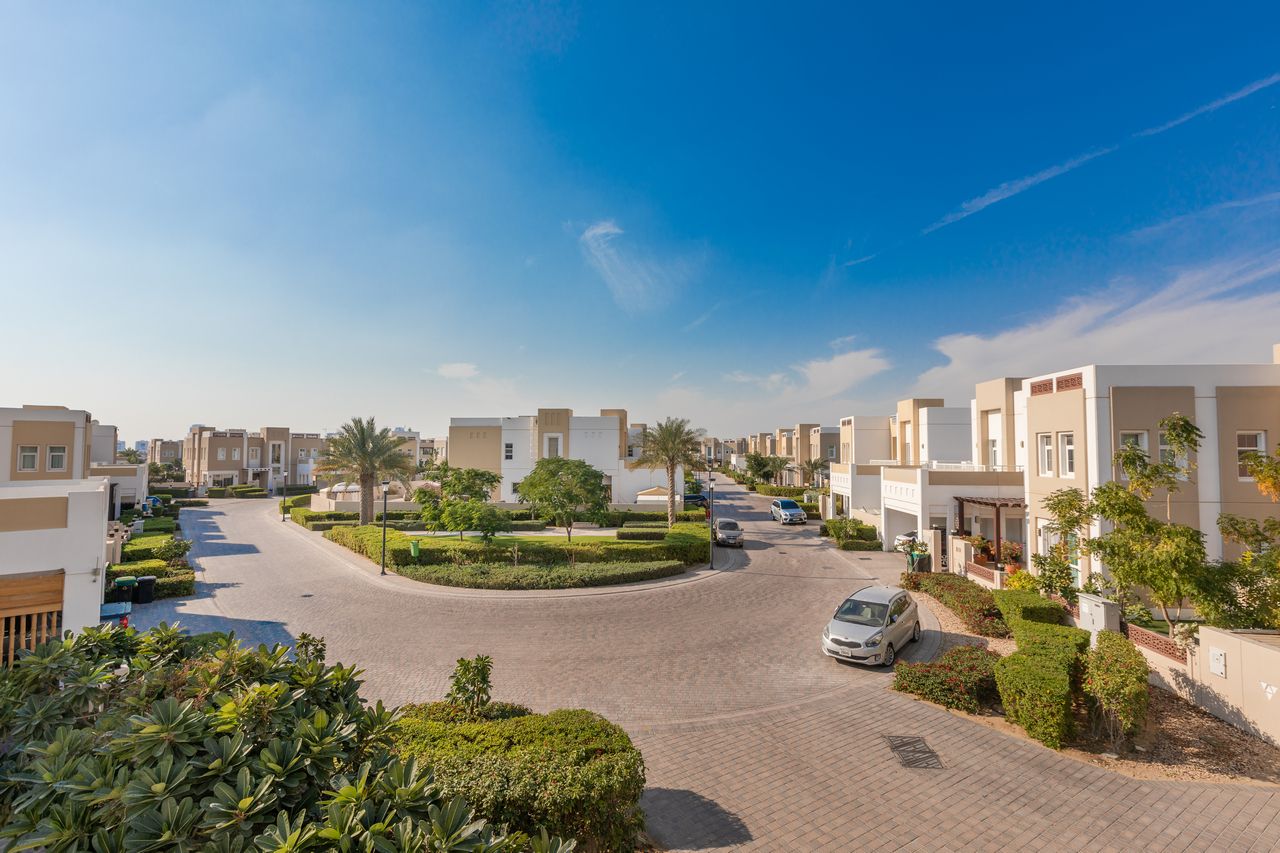
Dubai mortgage refinancing sits at the intersection of UAE Central Bank regulations, DLD fee structures, and bank competitive dynamics. The mechanics are more complex than simply finding a lower rate, the question is whether the rate improvement clears the switching cost hurdle quickly enough to justify the refinancing exercise.
| Cost item | Typical amount | When payable |
|---|---|---|
| Early settlement fee (current bank) | 1% of outstanding balance | At settlement |
| New mortgage registration (DLD) | 0.25% of new loan | At DLD registration |
| Old mortgage discharge (DLD) | AED 1,000 to 1,500 | At DLD |
| New bank valuation | AED 2,500 to 5,000 | During application |
| New bank processing fee | AED 1,000 to 3,000 (often waived) | At approval |
| Liability letter (current bank) | AED 500 to 1,500 | During application |
When does refinancing make financial sense?
Refinancing typically makes financial sense when a 0.5% or larger rate cut on balances above AED 1 million clears switching costs inside 2 to 3 years, and Invest Gulf runs breakeven months before any new offer for foreign buyers in this market during 2026 reviews across full underwriting before SPA signature.
Dubai mortgage refinancing typically makes sense when a rate cut of 0.5% or more on an outstanding balance above AED 1 million clears total switching costs inside 2 to 3 years of continued holding. Invest Gulf research sizes a common case on AED 1,500,000 outstanding moving from 7.0% to 6.0%: about AED 1,250 monthly interest saving against roughly AED 23,750 in early settlement, 0.25% DLD registration, valuation, and processing fees, for a breakeven near 19 months. Lock-in years can raise early settlement to 3% and push that math past 4 years. Cash-out versions can release six-figure AED equity when valuations support 75% to 80% LTV, but the larger loan raises the 0.25% registration line. Run the breakeven month before you sign any new offer letter.
Insider tip: Ask for the liability letter payoff figure and early-settlement percentage on the same day you collect competing offers; a 3% year-one lock-in on AED 1.5M can erase a 0.5% rate win for years.
| Example input | Figure |
|---|---|
| Outstanding balance | AED 1,500,000 |
| Rate cut | 7.0% to 6.0% |
| Monthly saving | About AED 1,250 |
| Switching cost | About AED 23,750 |
| Breakeven | About 19 months |
When does refinancing not make sense?
Refinancing typically fails inside lock-in years with 3% early settlement fees, short remaining terms under 5 years, or falling valuations that push LTV beyond bank caps, and Invest Gulf models AED 45,000 year-one exit fees on AED 1.5M balances for foreign buyers in this market during 2026 reviews.
Red flag checklist:
- Still inside a 1 to 3 year lock-in with 3% settlement
- Under 5 years remaining on a shrinking balance
- New valuation would push LTV beyond bank caps
- Waiting for a priced-in 1.5% EIBOR cut without cash buffer
How does cash-out refinancing work on Dubai property?
Cash-out refinancing typically lets residents borrow up to about 75% to 80% LTV on appreciated stock and release equity in AED, and Invest Gulf sizes examples near AED 300,000 cash on a 4 year hold with 25% appreciation for foreign buyers in this market during 2026 reviews across full underwriting.
| Step | Illustrative figures |
|---|---|
| Original purchase | AED 1,500,000 with 20% down |
| Outstanding after 4 years | About AED 1,100,000 |
| Value after 25% appreciation | AED 1,875,000 |
| New 75% LTV loan | AED 1,406,250 |
| Cash release | About AED 306,250 |
Uses include a second Dubai down payment, business capital, or a liquidity reserve. No UAE capital gains tax applies to the cash release; confirm home-country reporting.
What is the step-by-step Dubai mortgage refinancing process?
The Dubai refinance process typically runs 4 to 8 weeks from quote to DLD re-registration for salaried residents, and Invest Gulf tracks liability letters, valuations of AED 2,500 to 5,000, and 0.25% new mortgage registration for foreign buyers in this market during 2026 reviews across full underwriting.
| Step | Typical duration | What happens |
|---|---|---|
| 1. Rate quote and eligibility | 1 to 3 days | Income, LTV, property type |
| 2. Formal application and docs | 3 to 7 days | Salary, title, insurance |
| 3. Valuation | 3 to 5 days | Bank surveyor |
| 4. Approval and liability letter | 5 to 10 days | Payoff figure |
| 5. DLD discharge and re-register | 5 to 10 days | 0.25% plus discharge fee |
| 6. First debit on new mortgage | From month end | Confirm fixed vs EIBOR |
When should you watch EIBOR and refinance rates?
EIBOR watchers typically refinance when their rate sits more than 1% above best offers or a fixed period ends inside 6 months, and Invest Gulf compares fixed 7.5% books against variable 6.0% quotes before paying settlement fees for foreign buyers in this market during 2026 reviews across full underwriting.
Trigger points:
- Your rate is more than 1% above best current offers
- Fixed period ends inside 6 months
- Property appreciation supports cash-out LTV
- Income improved into a better rate tier
Which documents do UAE banks require to refinance?
UAE banks typically require Emirates ID, 3 to 6 months salary statements, stamped salary certificates, title deed copies, and building insurance for resident refinances, and Invest Gulf adds 6 to 12 months of audited business statements for self-employed files for foreign buyers in this market before rate shopping begins.
Resident employed pack:
- Emirates ID, passport, visa
- 3 to 6 months salary statements
- Salary certificate and employment letter
- Mortgage statement, title deed, building insurance
Self-employed adds 6 to 12 months business statements and trade licence copies. Non-residents add home-country statements and tax returns where available.
How long does a Dubai mortgage refinance take?
End-to-end Dubai refinances typically take 4 to 8 weeks for clean salaried files and longer for non-residents, and Invest Gulf treats DLD discharge plus 0.25% re-registration as the critical path for foreign buyers in this market during 2026 reviews across full underwriting before SPA signature.
Process timing and documents decide whether a refinance closes cleanly for most household files. Invest Gulf underwriting snapshot treats 4 to 8 weeks as normal for salaried UAE residents with clean title, while non-resident and portfolio files stretch DLD discharge and compliance. Budget valuation fees of AED 2,500 to 5,000, liability letters of AED 500 to 1,500, and 0.25% registration on the new loan amount, plus about AED 1,000 to 1,500 to discharge the old mortgage. Trigger shopping when your rate sits more than 1% above best current offers or a fixed period ends inside 6 months. Variable EIBOR products can capture further cuts without a second refinance round, while fixed products suit borrowers who want payment certainty for the next 2 to 3 years.
The common delay is coordinating new bank, existing lender, and DLD for simultaneous discharge and re-registration. A broker experienced in UAE refinancing reduces that friction across the 4 to 8 week window.
What advanced refinancing scenarios do investors use?
Advanced investor scenarios typically sequence portfolio refinances across 1 to 3 years, extract equity before sale without a 4% transfer, or support AED 2M Golden Visa evidence, and Invest Gulf verifies GDRFA rules before value engineering for foreign buyers in this market during 2026 reviews across full underwriting before SPA signature.
Buyer scenario checklist:
- Year 1 to 3: refinance properties by largest rate gap first
- Pre-sale equity extraction without paying 4% transfer
- Golden Visa evidence near AED 2M only after GDRFA confirmation
Which UAE banks run competitive refinancing programmes?
Competitive refinance programmes typically appear at Emirates NBD, FAB, ADCB, and Mashreq with fee waivers above AED 1M and digital tracks of 3 to 4 weeks, and Invest Gulf compares 0.25% to 0.50% buy-to-let premiums for foreign buyers in this market during 2026 reviews across full underwriting.
| Bank focus | Typical hook |
|---|---|
| Emirates NBD | Express tracks near 15 business days for standard cases |
| FAB | Relationship pricing and buy-to-let bands 0.25% to 0.50% higher |
| ADCB / Mashreq | Digital tracks often 3 to 4 weeks on apartments below AED 3M |
Seasonal fee waivers above AED 1M are common in Q1 and Q4 target pushes.
Can non-residents refinance Dubai property from abroad?
Non-residents typically can refinance Dubai property from abroad with home-country income proof and Ejari rental evidence, and Invest Gulf budgets currency hedging beside AED mortgage debits across a full 12 month payment plan for foreign buyers in this market during 2026 reviews across full underwriting before SPA signature.
Required evidence usually includes:
- 3 months home-country salary proof
- Ejari and rental deposit history
- UAE service-charge payment history
- Passport and home address utility bills
Currency hedging and multi-currency income matching matter when AED debits sit against GBP, EUR, or USD salary.
How do rate cycles affect refinance timing in Dubai?
Rate cycles typically favour refinancing in cutting windows when EIBOR sits 0.75% or more below your current rate, and Invest Gulf watches Q1 bank campaigns and oil above USD 70 as borrower-friendly signals for foreign buyers in this market during 2026 reviews across full underwriting before SPA signature.
| Cycle | Refinance posture |
|---|---|
| Tightening | Only if locked into a much higher fixed rate |
| Cutting | Best window when EIBOR is 0.75%+ below your rate |
| Neutral | Bank-vs-bank margin competition |
Q1 campaigns and oil sustained above USD 70 often coincide with borrower-friendly liquidity.
What specialist cases affect Dubai refinancing?
Specialist cases typically include portfolio cross-collateralisation, divorce-driven single-name assumption, and pre-departure cash-out before leaving the UAE, and Invest Gulf maps AED 2M Golden Visa paths only when registration evidence is clean for foreign buyers in this market during 2026 reviews across full underwriting before SPA signature.
Specialist paths include portfolio cross-collateralisation, divorce-driven single-name assumption, and pre-departure cash-out before leaving the UAE. Map AED 2M Golden Visa routes only when DLD registration evidence is clean and GDRFA accepts the valuation basis.
Refinancing costs, early settlement fees, and DLD rates are indicative as of Q1 2026. Always confirm current bank terms, DLD fee schedule, and LTV requirements at application date. This guide is for information purposes only and does not constitute financial advice.
Related reading: Cash vs Mortgage for Dubai Property.
Ready to finance a Gulf property purchase?
Our team explains mortgage options and fund transfer processes for international buyers.
Frequently Asked Questions
Refinancing costs include: early settlement fee with existing bank (typically 1% of outstanding balance or a minimum fee, whichever is higher); new bank's mortgage registration fee (0.25% of new loan amount at DLD); new bank's valuation fee (AED 2,500 to 5,000); new bank's processing fee (AED 1,000 to 3,000, sometimes waived in promotions); any liability letter fee from existing bank (AED 500 to 1,500); and occasionally a new property NOC if required by lender. On a AED 1,500,000 outstanding balance: early settlement fee AED 15,000; new registration AED 3,750; valuation AED 3,500. Total switching cost approximately AED 22,000 to 25,000.
A simple breakeven calculation: divide total refinancing cost by monthly saving from rate reduction. If refinancing costs AED 25,000 and the rate reduction saves AED 500/month, breakeven is 50 months (4.2 years). If you plan to hold the mortgage at least that long, refinancing makes financial sense. Rate reductions of 0.5%+ on balances above AED 1 million typically generate positive NPV refinancing cases within 2 to 3 years.
Most UAE mortgage products have a 1 to 3 year lock-in period where the early settlement fee is higher (typically 3% or the standard 1%, whichever is higher in the first 12 months). After the lock-in period ends, early settlement fee typically drops to 1%. Banks use lock-in periods to recover mortgage origination costs. Check your existing mortgage terms document for the specific early settlement fee schedule, it should specify fee percentage by year of settlement.
Yes, cash-out refinancing is available from UAE banks, subject to LTV caps. If your property has appreciated since purchase, the new loan can be sized larger than the outstanding balance (up to the LTV limit). The difference is released as cash. Example: outstanding balance AED 800,000, property now worth AED 2,000,000, new 70% LTV loan = AED 1,400,000. Cash release: AED 600,000. This cash can be deployed for another property, business investment, or other use. The new mortgage covers the full AED 1,400,000 at current rates.
When refinancing between banks (same property), DLD charges 0.25% of the new loan amount as mortgage registration fee. The previous bank's mortgage must be formally discharged at DLD (fee of approximately AED 1,000 to 1,500) before the new bank's mortgage can be registered. There is no repeat 4% DLD transfer fee, that was paid at original purchase. Total DLD-related refinancing cost on AED 1,500,000 new loan: AED 3,750 registration + AED 1,500 discharge = approximately AED 5,250.
This is a timing dilemma with no perfect answer. If you refinance now to a lower fixed rate and rates fall further, you miss the savings. If you wait and rates rise instead, you paid more than necessary. A pragmatic approach: refinance to variable (EIBOR-linked) rather than fixed, this way you benefit from future rate cuts automatically without another refinancing round. Reserve the fixed rate option for when you want to lock in a rate that feels like a cyclical low.
Related reading: Dubai Mortgage Rates · DLD Mortgage Registration Fees Dubai · UAE Central Bank Mortgage Rules · Dubai Property Investment Guide.
Get a Gulf property shortlist
Tell us your budget and target market. Independent research first; enquiries are matched with licensed local partners. We reply within one business day.