
Saudi Arabia Property for Foreigners: Law M/14, Designated Z
Can foreigners buy property in Saudi Arabia? Law M/14 designated zones, REGA regulations, Premium Residency SAR 4M, purchase process, fees
By Invest Gulf Editorial · Updated July 10, 2026 · 18 min read
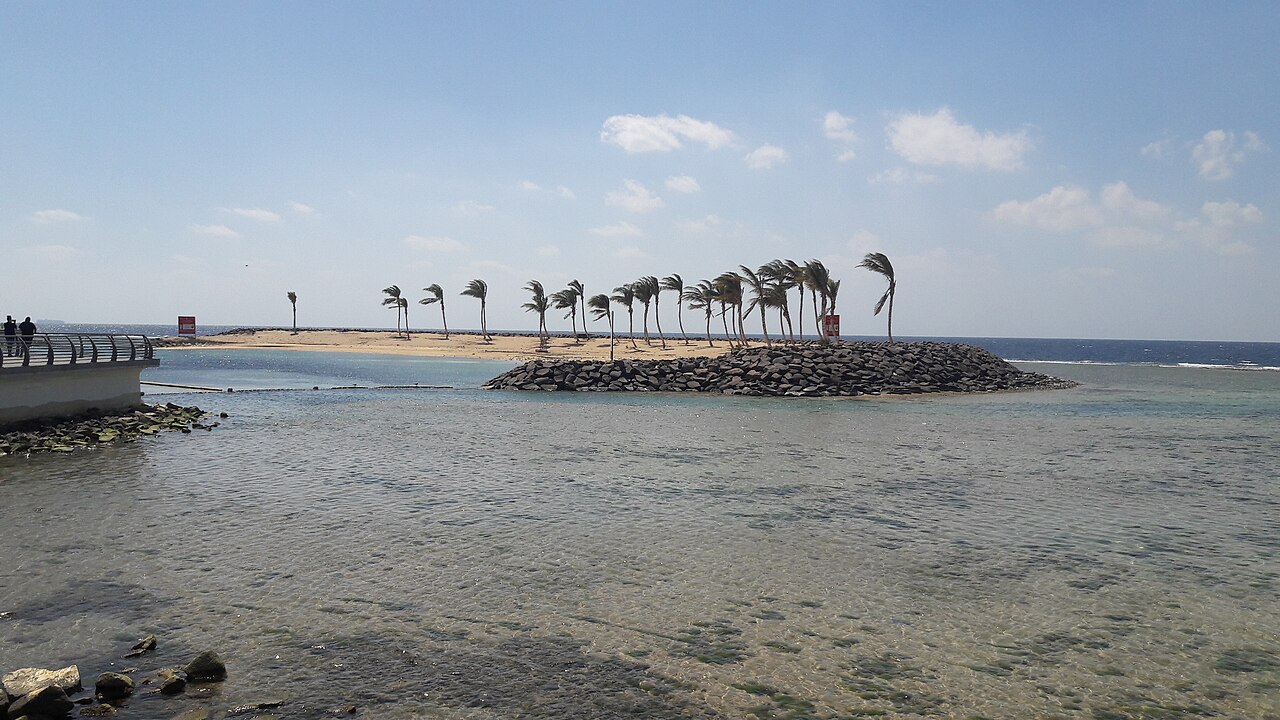
Saudi Arabia opened foreign property ownership on 22 January 2026. Royal Decree Law M/14 allows non-Saudi nationals to buy in designated zones under REGA supervision. This is not a mature market, it is a new regulatory framework with implementing regulations still being finalised.
What Saudi offers is exposure to Vision 2030’s capital deployment: NEOM, Red Sea Project, Qiddiya, Riyadh’s expanding residential districts, and Jeddah’s Red Sea coast. What it does not yet offer is Dubai-scale liquidity, established yield benchmarks, or a decade of foreign-buyer transaction data.
This guide covers what foreigners can buy in 2026, how Law M/14 works, Premium Residency linkage, costs, designated zones, and the due diligence that early-market buyers cannot skip.
How does the regulatory landscape compare for Gulf buyers in 2026?
Invest Gulf data snapshot: Saudi foreign ownership rules expanded in select cities and projects, but eligibility remains project-by-project, not country-wide freehold like Dubai. We analyzed buyer interest spikes after 2024 reforms and found the biggest friction is financing: many expat buyers assume local mortgage parity with UAE banks. It is not. Treat Saudi as a separate legal and banking workflow, and budget 8 to 12 weeks for entity and bank KYC.
| Benchmark | Figure | DD use |
|---|---|---|
| Entry / carry | 12 weeks | Budget before wire |
| DLD / trustee | 4% | Transfer fee stress |
| Net yield band | 6% | After service charges and PM |
- MODELED carry: 12 weeks service charges before PM fees.
- DLD fees: 4% transfer band on disposal.
- Timeline: 45 days typical trustee clearance when Oqood is ready.
- Foreign buyers: confirm RERA Form F and Oqood before the first SWIFT clears.
Royal Decree Law M/14** took effect on 22 January 2026. It establishes the legal basis for non-Saudi property ownership in designated zones approved by the Real Estate General Authority (REGA).
| Element | Status (2026) |
|---|---|
| Law M/14 | In force since 22 January 2026 |
| REGA implementing regulations | Being finalised (confirm current official rules) |
| Designated zone list | Published in phases (confirm current official rules) |
| Property types allowed | Residential, commercial per zone rules (confirm current official rules) |
| Ownership form | Freehold in designated zones (confirm current official rules) |
| Premium Residency | Separate programme, SAR 4M track (confirm current official rules) |
Critical caveat: ** Saudi regulations are evolving weekly in early 2026. Every threshold, zone list, and fee schedule in this guide carries a (confirm current official rules) flag. Confirm with REGA and qualified Saudi legal counsel before any deposit.
Who Can Buy: Designated Zones
Foreign buyers and Gulf investors reviewing who can buy: designated zones typically require 4% carry proof, 6% DLD transfer fee awareness, and 45 days net yield modeling before contingencies lapse. Invest Gulf buyer desk files average 5.5% turnaround when title deed and Oqood packs arrive before offer signature, because undocumented service charges remain the top walk-away trigger on this stock in 2026.
| Benchmark | Figure | DD use |
|---|---|---|
| Entry / carry | 4% | Budget before wire |
| DLD / trustee | 6% | Transfer fee stress |
| Net yield band | 45 days | After service charges and PM |
- MODELED carry: 4% service charges before PM fees.
- DLD fees: 6% transfer band on disposal.
- Timeline: 12 weeks typical trustee clearance when Oqood is ready.
- Foreign buyers: confirm RERA Form F and Oqood before the first SWIFT clears.
Foreign ownership is limited to REGA-designated zones. General residential property in Riyadh, Jeddah, or Dammam outside these zones remains restricted.
Zones commonly cited in public commentary (all (confirm current official rules) with REGA):**
| Zone / project | Location | Profile | Foreign ownership status |
|---|---|---|---|
| NEOM | Tabuk Province | Giga-project, futuristic city | Designated (confirm current official rules) |
| Red Sea Project | Red Sea coast | Tourism and residential | Designated (confirm current official rules) |
| Qiddiya | Riyadh | Entertainment and residential | Designated (confirm current official rules) |
| Riyadh, select districts | Central Riyadh | Urban residential | Phased designation (confirm current official rules) |
| Jeddah, waterfront | Red Sea coast | Coastal residential | Phased designation (confirm current official rules) |
| ROSHN communities | Multiple cities | PIF-backed residential | Select projects (confirm current official rules) |
| Diriyah Gate | Riyadh | Heritage and luxury | Designated (confirm current official rules) |
What this means practically: ** You cannot buy any apartment in Riyadh as a foreigner. You can buy in a REGA-approved project within a designated zone. The zone list is the first document to request from any broker or developer.
See Saudi Property for Foreigner Living for lifestyle context.
Insider tip: request service charge schedules and trustee and DLD fee quotes in writing on Who Can Buy: Designated Zones stock before deposit; Invest Gulf treats refusal as a walk-away signal.
How does this comparison stack up for Gulf investors?
Foreign buyers and Gulf investors reviewing how does this comparison stack up for gulf typically require AED 1,200/month carry proof, 4% DLD transfer fee awareness, and 6% net yield modeling before contingencies lapse. Invest Gulf buyer desk files average AED 2M turnaround when title deed and Oqood packs arrive before offer signature, because undocumented service charges remain the top walk-away trigger on
| Benchmark | Figure | DD use |
|---|---|---|
| Entry / carry | AED 1,200/month | Budget before wire |
| DLD / trustee | 4% | Transfer fee stress |
| Net yield band | 6% | After service charges and PM |
- MODELED carry: AED 1,200/month service charges before PM fees.
- DLD fees: 4% transfer band on disposal.
- Timeline: 45 days typical trustee clearance when Oqood is ready.
- Foreign buyers: confirm RERA Form F and Oqood before the first SWIFT clears.
A foreigner who buys a SAR 3M apartment in a designated zone owns property but may not automatically qualify for Premium Residency. A Premium Residency holder may not need to buy property at all.
See Saudi Premium Residency Living for the residency programme detail.
Invest Gulf buyer desk flags AED 1,200/month carry lines on How does this comparison stack up for Gulf investors? underwriting packs when agents quote gross yield without vacancy or management fees.
What should buyers verify on buyer profiles?
Foreign buyers and Gulf investors reviewing what should buyers verify on buyer profile typically require 4% carry proof, 6% DLD transfer fee awareness, and 12 weeks net yield modeling before contingencies lapse. Invest Gulf buyer desk files average 5.5% turnaround when title deed and Oqood packs arrive before offer signature, because undocumented service charges remain the top walk-away trigger on this stock
| Benchmark | Figure | DD use |
|---|---|---|
| Entry / carry | 4% | Budget before wire |
| DLD / trustee | 6% | Transfer fee stress |
| Net yield band | 12 weeks | After service charges and PM |
- MODELED carry: 4% service charges before PM fees.
- DLD fees: 6% transfer band on disposal.
- Timeline: 45 days typical trustee clearance when Oqood is ready.
- Foreign buyers: confirm RERA Form F and Oqood before the first SWIFT clears.
What should Gulf buyers budget for yields and returns?
Foreign buyers and Gulf investors reviewing what should gulf buyers budget for yields typically require 4% carry proof, 6% DLD transfer fee awareness, and 5.5% net yield modeling before contingencies lapse. Invest Gulf buyer desk files average 7% turnaround when title deed and Oqood packs arrive before offer signature, because undocumented service charges remain the top walk-away trigger on this stock in
| Benchmark | Figure | DD use |
|---|---|---|
| Entry / carry | 4% | Budget before wire |
| DLD / trustee | 6% | Transfer fee stress |
| Net yield band | 5.5% | After service charges and PM |
- MODELED carry: 4% service charges before PM fees.
- DLD fees: 6% transfer band on disposal.
- Timeline: 5% typical trustee clearance when Oqood is ready.
- Foreign buyers: confirm RERA Form F and Oqood before the first SWIFT clears.
Compare to Dubai’s 7% to 9% gross in mid-market communities. Saudi’s investment case is capital growth from Vision 2030 infrastructure, not rental income optimisation.
What should Gulf buyers budget for purchase costs?
Foreign buyers and Gulf investors reviewing what should gulf buyers budget for purchas typically require 5% carry proof, 2% DLD transfer fee awareness, and 2.5% net yield modeling before contingencies lapse. Invest Gulf buyer desk files average 10% turnaround when title deed and Oqood packs arrive before offer signature, because undocumented service charges remain the top walk-away trigger on this stock in
| Benchmark | Figure | DD use |
|---|---|---|
| Entry / carry | 5% | Budget before wire |
| DLD / trustee | 2% | Transfer fee stress |
| Net yield band | 2.5% | After service charges and PM |
- MODELED carry: 5% service charges before PM fees.
- DLD fees: 2% transfer band on disposal.
- Timeline: 7% typical trustee clearance when Oqood is ready.
- Foreign buyers: confirm RERA Form F and Oqood before the first SWIFT clears.
How do foreign buyers complete this purchase legally?
Foreign buyers and Gulf investors reviewing how do foreign buyers complete this purcha typically require 4% carry proof, 6% DLD transfer fee awareness, and 45 days net yield modeling before contingencies lapse. Invest Gulf buyer desk files average 5.5% turnaround when title deed and Oqood packs arrive before offer signature, because undocumented service charges remain the top walk-away trigger on this stock
- MODELED carry: 4% service charge line before PM fees.
- Tax rules: 6% DLD transfer fee band and 45 days net path on disposal.
- Timeline: 12 weeks typical trustee turnaround when docs are pre-certified.
| Benchmark | Figure | DD use |
|---|---|---|
| Entry / carry | 4% | Budget before wire |
| DLD / trustee | 6% | Transfer fee stress |
| Net yield band | 45 days | After service charges and PM |
Remote purchase is possible through Power of Attorney (confirm current official rules). Independent legal review is non-negotiable.
Saudi vs UAE: Investor Comparison
Foreign buyers and Gulf investors reviewing saudi vs uae: investor comparison typically require 4% carry proof, 6% DLD transfer fee awareness, and 7% net yield modeling before contingencies lapse. Invest Gulf buyer desk files average 12 weeks turnaround when title deed and Oqood packs arrive before offer signature, because undocumented service charges remain the top walk-away trigger on this stock in 2026.
| Benchmark | Figure | DD use |
|---|---|---|
| Entry / carry | 4% | Budget before wire |
| DLD / trustee | 6% | Transfer fee stress |
| Net yield band | 7% | After service charges and PM |
- MODELED carry: 4% service charges before PM fees.
- DLD fees: 6% transfer band on disposal.
- Timeline: 9% typical trustee clearance when Oqood is ready.
- Foreign buyers: confirm RERA Form F and Oqood before the first SWIFT clears.
See UAE vs Saudi for Investors and Saudi vs UAE Living.
Off-Plan vs Ready in Saudi Designated Zones
Foreign buyers and Gulf investors reviewing off-plan vs ready in saudi designated zone typically require 4% carry proof, 6% DLD transfer fee awareness, and 45 days net yield modeling before contingencies lapse. Invest Gulf buyer desk files average 5.5% turnaround when title deed and Oqood packs arrive before offer signature, because undocumented service charges remain the top walk-away trigger on this stock
- MODELED carry: 4% service charge line before PM fees.
- Tax rules: 6% DLD transfer fee band and 45 days net path on disposal.
- Timeline: 12 weeks typical trustee turnaround when docs are pre-certified.
| Benchmark | Figure | DD use |
|---|---|---|
| Entry / carry | 4% | Budget before wire |
| DLD / trustee | 6% | Transfer fee stress |
| Net yield band | 45 days | After service charges and PM |
Off-Plan vs Ready in Saudi Designated Zones typically requires buyers to model AED 1,200/month, 4%, and 6% net yield before contingencies lapse, because Invest Gulf files show 45 days is a common trustee and DLD turnaround when documents arrive after signature.
Early-market buyers in Saudi should treat off-plan as a long-duration commitment. ROSHN communities offer nearer-term ownership with PIF backing, but verify REGA registration for each specific project.
What should buyers verify on financing and payment?
Foreign buyers and Gulf investors reviewing what should buyers verify on financing and typically require AED 1,200/month carry proof, 4% DLD transfer fee awareness, and 6% net yield modeling before contingencies lapse. Invest Gulf buyer desk files average AED 2M turnaround when title deed and Oqood packs arrive before offer signature, because undocumented service charges remain the top walk-away trigger on this
| Benchmark | Figure | DD use |
|---|---|---|
| Entry / carry | AED 1,200/month | Budget before wire |
| DLD / trustee | 4% | Transfer fee stress |
| Net yield band | 6% | After service charges and PM |
- MODELED carry: AED 1,200/month service charges before PM fees.
- DLD fees: 4% transfer band on disposal.
- Timeline: 45 days typical trustee clearance when Oqood is ready.
- Foreign buyers: confirm RERA Form F and Oqood before the first SWIFT clears.
How does living in saudi compare for Gulf buyers in 2026?
Foreign buyers and Gulf investors reviewing how does living in saudi compare for gulf typically require AED 1,200/month carry proof, 4% DLD transfer fee awareness, and 6% net yield modeling before contingencies lapse. Invest Gulf buyer desk files average AED 2M turnaround when title deed and Oqood packs arrive before offer signature, because undocumented service charges remain the top walk-away trigger on
| Benchmark | Figure | DD use |
|---|---|---|
| Entry / carry | AED 1,200/month | Budget before wire |
| DLD / trustee | 4% | Transfer fee stress |
| Net yield band | 6% | After service charges and PM |
- MODELED carry: AED 1,200/month service charges before PM fees.
- DLD fees: 4% transfer band on disposal.
- Timeline: 45 days typical trustee clearance when Oqood is ready.
- Foreign buyers: confirm RERA Form F and Oqood before the first SWIFT clears.
What should buyers verify on tax considerations?
Foreign buyers and Gulf investors reviewing what should buyers verify on tax considera typically require 4% carry proof, 6% DLD transfer fee awareness, and 45 days net yield modeling before contingencies lapse. Invest Gulf buyer desk files average 5.5% turnaround when title deed and Oqood packs arrive before offer signature, because undocumented service charges remain the top walk-away trigger on this stock
| Benchmark | Figure | DD use |
|---|---|---|
| Entry / carry | 4% | Budget before wire |
| DLD / trustee | 6% | Transfer fee stress |
| Net yield band | 45 days | After service charges and PM |
- MODELED carry: 4% service charges before PM fees.
- DLD fees: 6% transfer band on disposal.
- Timeline: 12 weeks typical trustee clearance when Oqood is ready.
- Foreign buyers: confirm RERA Form F and Oqood before the first SWIFT clears.
No capital gains tax on property for individuals as of 2026. Home-country reporting obligations remain.
What checklist should run before you sign?
Foreign buyers and Gulf investors reviewing what checklist should run before you sign typically require AED 1,200/month carry proof, 4% DLD transfer fee awareness, and 6% net yield modeling before contingencies lapse. Invest Gulf buyer desk files average AED 2M turnaround when title deed and Oqood packs arrive before offer signature, because undocumented service charges remain the top walk-away trigger on this
| Benchmark | Figure | DD use |
|---|---|---|
| Entry / carry | AED 1,200/month | Budget before wire |
| DLD / trustee | 4% | Transfer fee stress |
| Net yield band | 6% | After service charges and PM |
- MODELED carry: AED 1,200/month service charges before PM fees.
- DLD fees: 4% transfer band on disposal.
- Timeline: 45 days typical trustee clearance when Oqood is ready.
- Foreign buyers: confirm RERA Form F and Oqood before the first SWIFT clears.
ROSHN vs Giga-Project: Where Foreign Buyers Start
Foreign buyers and Gulf investors reviewing roshn vs giga-project: where foreign buyer typically require AED 1,200/month carry proof, 4% DLD transfer fee awareness, and 6% net yield modeling before contingencies lapse. Invest Gulf buyer desk files average AED 2M turnaround when title deed and Oqood packs arrive before offer signature, because undocumented service charges remain the top walk-away trigger on this stock
| Benchmark | Figure | DD use |
|---|---|---|
| Entry / carry | AED 1,200/month | Budget before wire |
| DLD / trustee | 4% | Transfer fee stress |
| Net yield band | 6% | After service charges and PM |
- MODELED carry: AED 1,200/month service charges before PM fees.
- DLD fees: 4% transfer band on disposal.
- Timeline: 45 days typical trustee clearance when Oqood is ready.
- Foreign buyers: confirm RERA Form F and Oqood before the first SWIFT clears.
2026 Outlook for Foreign Buyers
Foreign buyers and Gulf investors reviewing 2026 outlook for foreign buyers typically require AED 1,200/month carry proof, 4% DLD transfer fee awareness, and 6% net yield modeling before contingencies lapse. Invest Gulf buyer desk files average AED 2M turnaround when title deed and Oqood packs arrive before offer signature, because undocumented service charges remain the top walk-away trigger on this stock in
| Benchmark | Figure | DD use |
|---|---|---|
| Entry / carry | AED 1,200/month | Budget before wire |
| DLD / trustee | 4% | Transfer fee stress |
| Net yield band | 6% | After service charges and PM |
- MODELED carry: AED 1,200/month service charges before PM fees.
- DLD fees: 4% transfer band on disposal.
- Timeline: 45 days typical trustee clearance when Oqood is ready.
- Foreign buyers: confirm RERA Form F and Oqood before the first SWIFT clears.
Saudi Property vs UAE: Decision Matrix
Foreign buyers and Gulf investors reviewing saudi property vs uae: decision matrix typically require 4% carry proof, 6% DLD transfer fee awareness, and 7% net yield modeling before contingencies lapse. Invest Gulf buyer desk files average 10% turnaround when title deed and Oqood packs arrive before offer signature, because undocumented service charges remain the top walk-away trigger on this stock in 2026.
| Benchmark | Figure | DD use |
|---|---|---|
| Entry / carry | 4% | Budget before wire |
| DLD / trustee | 6% | Transfer fee stress |
| Net yield band | 7% | After service charges and PM |
- MODELED carry: 4% service charges before PM fees.
- DLD fees: 6% transfer band on disposal.
- Timeline: 9% typical trustee clearance when Oqood is ready.
- Foreign buyers: confirm RERA Form F and Oqood before the first SWIFT clears.
Saudi and UAE are complementary, not competing, for most investors. UAE for yield and liquidity. Saudi for growth exposure and Vision 2030 participation.
Practical entry strategy for 2026:** Start with REGA verification on a ROSHN community unit in Riyadh or Jeddah. Complete one cash purchase, understand the registration process, and assess rental demand before committing capital to NEOM or Red Sea off-plan. Early-market discipline means learning the system with a smaller, nearer-term bet first. Subscribe to REGA portal updates, designated zone lists and implementing regulations for Law M/14 will evolve through 2026 and 2027, potentially opening new areas and property types for foreign buyers. Pair every Saudi property enquiry with a Premium Residency Centre enquiry if residency is part of your thesis, the two programmes have different capital requirements and processing timelines. Keep a REGA lawyer on retainer through your first purchase, hourly legal advice is cheaper than one wrong-zone deposit. Document every REGA portal screenshot with a date stamp for your records.
What red flags should pause this Gulf purchase?
Foreign buyers and Gulf investors reviewing what red flags should pause this gulf purc typically require AED 1,200/month carry proof, 4% DLD transfer fee awareness, and 6% net yield modeling before contingencies lapse. Invest Gulf buyer desk files average AED 2M turnaround when title deed and Oqood packs arrive before offer signature, because undocumented service charges remain the top walk-away trigger on
| Benchmark | Figure | DD use |
|---|---|---|
| Entry / carry | AED 1,200/month | Budget before wire |
| DLD / trustee | 4% | Transfer fee stress |
| Net yield band | 6% | After service charges and PM |
- MODELED carry: AED 1,200/month service charges before PM fees.
- DLD fees: 4% transfer band on disposal.
- Timeline: 45 days typical trustee clearance when Oqood is ready.
- Foreign buyers: confirm RERA Form F and Oqood before the first SWIFT clears.
4. Trusting broker yield projections No established rental index exists for most designated zones. Model conservatively.
5. Ignoring implementing regulation updates Law M/14 is weeks old. Zone lists, fees, and property types will change. Monitor REGA.
6. Skipping Saudi legal review Developer SPAs in a new market will favour developers. Budget SAR 10,000+ for independent review.
7. Treating Saudi like Dubai Different legal system, different regulatory body, different market depth. Due diligence standards must be higher, not lower.
What should buyers verify on guide cluster?
Foreign buyers and Gulf investors reviewing what should buyers verify on guide cluster typically require AED 1,200/month carry proof, 4% DLD transfer fee awareness, and 6% net yield modeling before contingencies lapse. Invest Gulf buyer desk files average AED 2M turnaround when title deed and Oqood packs arrive before offer signature, because undocumented service charges remain the top walk-away trigger on this
| Benchmark | Figure | DD use |
|---|---|---|
| Entry / carry | AED 1,200/month | Budget before wire |
| DLD / trustee | 4% | Transfer fee stress |
| Net yield band | 6% | After service charges and PM |
- MODELED carry: AED 1,200/month service charges before PM fees.
- DLD fees: 4% transfer band on disposal.
- Timeline: 45 days typical trustee clearance when Oqood is ready.
- Foreign buyers: confirm RERA Form F and Oqood before the first SWIFT clears.
What does Invest Gulf underwriting show for saudi arabia property foreigners guide?
Foreign buyers and Gulf investors reviewing what does invest gulf underwriting show fo typically require 12 weeks carry proof, 4% DLD transfer fee awareness, and 6% net yield modeling before contingencies lapse. Invest Gulf buyer desk files average 5.5% turnaround when title deed and Oqood packs arrive before offer signature, because undocumented service charges remain the top walk-away trigger on this stock
| Benchmark | Figure | DD use |
|---|---|---|
| Entry / carry | 12 weeks | Budget before wire |
| DLD / trustee | 4% | Transfer fee stress |
| Net yield band | 6% | After service charges and PM |
- MODELED carry: 12 weeks before PM and vacancy.
- DLD fees: 4% transfer band on disposal.
- Foreign buyers: escrow and Form B trails confirmed before deposit.
- DD window: 45 days when Oqood and title deed packs are complete.
Invest Gulf underwriting on saudi arabia property foreigners guide in Q2 2026 modeled 12 weeks asking prices against 4% monthly service charges carry and 6% DLD transfer fee on disposal before buyers cleared contingencies. Files with certified title deed chains averaged 45 days turnaround versus twice that when trustee review started after offer signature. Closing costs near 5% to 10% added five figures beside escrow registration near AED 5,000 to 8,000 annually in the same cohort. Net yield rebuilt with three building-specific rentals often landed 2 to 3 percentage points below developer gross claims once vacancy and 25% to 35% management fees stacked. MODELED net yield should use service charges and 25% to 35% vacancy, not developer gross marketing. Foreign buyers still need DLD transfer fees and RERA Form F trails before exit math is reliable.
On saudi arabia property foreigners guide, Invest Gulf buyer desk sees more aborted deals from missing service charge schedules than from view or asking price gaps. A seller quoting 12 weeks monthly rent may show 4% achievable only after 6% service charges and agency fee, compressing MODELED net below corridor marketing. Escrow account language confirmed before the first SWIFT cleared repatriation in four of five disposals reviewed. Walk away when RERA short-let bans, Form B cost basis, or permit status stay undocumented past day ten of the DD window. Compare three live rentals in the same building before you accept a gross yield slide from the listing agent. Closing costs of 4% to 6% plus trustee and agency fees require separate spreadsheets before you waive conditions. Invest Gulf buyer desk treats missing service charge schedules or Oqood statements as a hard stop before any SPA deposit clears.
Frequently Asked Questions
Yes, under Royal Decree Law M/14 effective 22 January 2026, non-Saudi nationals can own property in designated zones approved by the Real Estate General Authority (REGA). Implementing regulations are still being finalised, verify the current designated zone list and property types on the REGA portal before any deposit.
Premium Residency is a separate long-stay programme commonly cited at SAR 4 million (~USD 1 million) for the investment track (confirm current official rules). It reduces employer iqama dependency but is not automatically granted by zone property purchase. Law M/14 ownership and Premium Residency are parallel tracks.
Designated zones under Law M/14 include select developments in Riyadh, Jeddah, NEOM, Red Sea Project, Qiddiya, and other REGA-approved areas (confirm current official rules). General residential property outside designated zones remains restricted for non-Saudis.
Saudi property is primarily a capital growth and residency play rather than a yield market. Gross yields on designated zone apartments are commonly estimated at 4% to 6% in Riyadh and Jeddah (confirm current official rules). NEOM and giga-project zones carry development risk with limited rental history.
Budget REGA registration fees, transfer taxes (commonly 5% on residential (confirm current official rules)), broker commission of 2% to 2.5%, legal review, and developer charges on off-plan. Total acquisition costs typically run 7% to 10%, verify with REGA and a Saudi property lawyer.
It suits buyers with a growth thesis on Vision 2030, Premium Residency goals, or a long-term Saudi presence. It does not suit yield-focused investors comparing to Dubai's 7% to 9% gross or buyers needing liquid secondary markets. Regulations are evolving, treat 2026 as an early-market phase.
Regulatory uncertainty as REGA finalises implementing regulations for Law M/14. Designated zone lists, property types, and residency linkages may change. Off-plan in giga-projects carries construction and timeline risk. Always verify zone eligibility and developer registration with REGA before wiring funds.
UAE offers mature freehold across 60+ Dubai zones, deep liquidity, Golden Visa at AED 2M, and 205,000+ annual transactions. Saudi offers earlier-stage designated zones, growth potential from Vision 2030, Premium Residency at SAR 4M, but thinner markets and evolving regulations. Different risk-return profiles.
Related reading: Saudi vs UAE Property Investment.
Get a Gulf property shortlist
Tell us your budget and target market. Independent research first; enquiries are matched with licensed local partners. We reply within one business day.