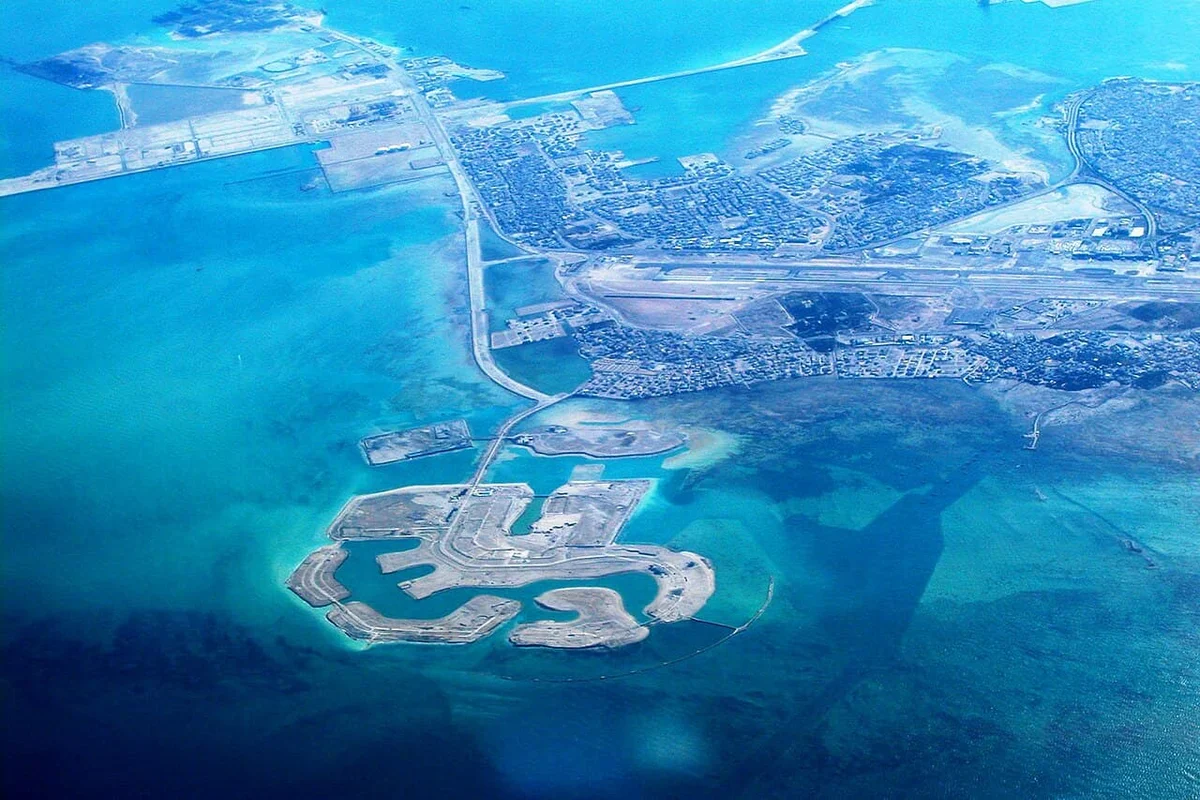
The gap between a modelled yield and a realised one is rarely caused by the rent. Rents on an established waterfront are visible, evidenced and reasonably predictable. The gap is on the cost side, and it opens because the costs arrive from more than one place.
An owner on a waterfront community of this kind is billed by several parties. Each sends a statement on its own cycle. Only one of them has a familiar name and a per square foot rate, and that is the one that reaches the spreadsheet.
Why does the model always miss the same costs?
Because a model is built from what has a name and a rate. A service charge has both, arrives annually, is quoted by agents and appears in every comparison table, so it lands in the spreadsheet without anybody thinking about it.
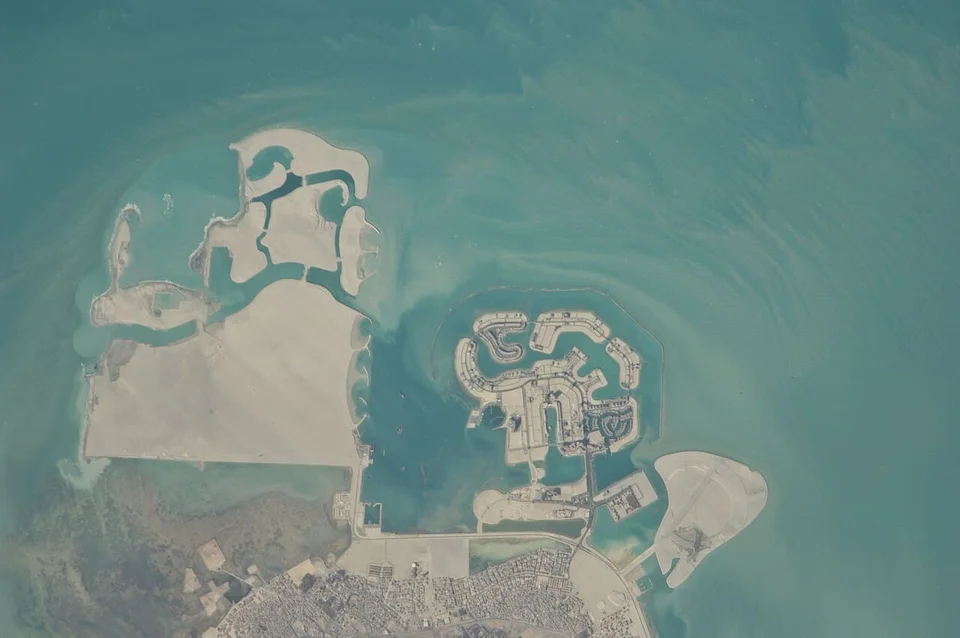
The other obligations have neither property. They arrive from parties the buyer met once, on schedules that do not align with the annual cycle, in amounts that vary with usage or with what the community had to do that year. An owner receiving them experiences each as a small administrative event rather than as a component of the investment, and a year later there is no single document that adds them up. The error is not carelessness. It is that nothing in the ordinary process of owning creates the total, so the total has to be assembled deliberately or it does not exist.
What are the parties, and what does each bill for?
Enumerating them is most of the work. The list below is the shape rather than a specification, because the exact structure differs by community and by unit, and that variation is the reason to enumerate rather than to assume.
| Billing party | What it covers | How it behaves |
|---|---|---|
| Owners association or community | Building, shared areas, management | Annual, rated, quoted by agents |
| Water or marina arrangement | Waterway upkeep, mooring, frontage | Varies by what the unit touches |
| Cooling provider | Metered consumption plus any fixed element | Seasonal, and partly independent of occupancy |
| Utility accounts | Electricity and water in the ordinary sense | Usually the occupier’s |
| Management or letting agent | Letting and ongoing management | Percentage of rent, easy to remember |
Rows one and five reach every model because they are conventional. Rows two and three are the ones that go missing, and they are the two most specific to this kind of community, which is why the shortfall is systematic here rather than random.
Modelling a Bahrain waterfront purchase?
Send us the unit. We will list every party that will bill it and tell you exactly which statements to request before you commit to a number.
Which line does the most damage?
The cooling one, because it is misfiled rather than merely forgotten. A landlord looking at a cooling bill sees a utility, and utilities are the tenant’s affair.
That instinct is correct for consumption and wrong for anything fixed. Where a cooling arrangement carries a capped or standing element tied to the unit rather than to usage, part of the charge belongs to the property and continues when nobody is living there. During a tenancy it is invisible because a tenant is paying the bill. During a void it becomes visible and lands on the owner, which is the single worst month for a new cost to appear. Establishing which portion is fixed, from an actual statement rather than a rate card, converts an unpleasant discovery into a modelled input, and it takes one document to do.
How do you build a defensible number?
By working from statements rather than rates. This is the practical core of the page and it is a change of source, not a change of arithmetic.
A rate card tells you what a party charges in principle. A statement tells you what this unit was actually billed, including everything the rate card does not mention, and the difference between the two is exactly the material that goes missing from models. Request twelve months for the specific property from every party that bills it, covering a summer and a winter so the seasonal spread is visible, then total them and divide into the rent. The result will be lower than the number in the listing and it will be the number you actually live with. A seller who has owned for a year holds all of this and can send it in an afternoon; a seller who cannot has told you something worth knowing before you commit.
Does this argue against waterfront communities?
No, and the opposite conclusion is available from the same facts. A community with more shared infrastructure has more cost lines because it has more to maintain, and the maintained thing is what supports the rent.
Lagoons, marinas, promenades and landscaped frontage are why a waterfront apartment commands what it commands over a comparable mainland one, and they do not maintain themselves. An owner paying three bills for an asset that earns a waterfront rent is in a perfectly sound position. An owner paying three bills while modelling one is in the same position financially and a worse one psychologically, because every year will feel like an underperformance against a forecast that was never realistic. The mainland comparison, where the cost structure is simpler and the rent is lower, is on the Manama page, and the wider country framing is on the Bahrain investment guide.
Who should buy on Amwaj Islands?
A buyer who wants an established waterfront community in a market with a genuine expatriate rental base, and who will do the enumeration before rather than after.
Bahrain’s appeal for this kind of purchase is real: an accessible entry compared with the larger Gulf markets, an established community with amenity that has been there long enough to be proven, and a tenant base drawn from a working population rather than from tourism alone. The residence-planning dimension for owners who want the property to do more than produce income is on the Golden Residence page, and the practical side of actually moving there is on the relocation guide. What the community asks in return is one afternoon of document collection, which is a small price for the difference between a yield you forecast and a yield you receive. How the whole Gulf compares on cost of living for the households who become your tenants is on the expat living comparison.
Frequently Asked Questions
Because the total is exactly what never gets assembled. Each bill arrives from a different party on a different schedule, and a landlord reconciling them a year later is doing so from three sources rather than one statement. What reaches a yield model is the one figure that has a familiar name and a per square foot rate, and the other two are absorbed as miscellaneous costs that nobody adds back.
An owners association or community charge for the building and shared areas; a levy relating to the water, whether that is lagoon and waterway upkeep or a marina and mooring arrangement; and a separately metered cooling charge, which on many units includes a fixed capped or capacity element rather than pure consumption. Different communities structure these differently, so the instruction is to enumerate them for the specific unit rather than to assume this list.
The cooling element, because it looks like a utility and utilities feel like the tenant's problem. Where the charge carries a fixed or capped component that continues regardless of occupancy, part of it is the owner's cost rather than the occupier's, and it continues through a void. That is the line that quietly separates a modelled net yield from a realised one.
Enumerate every party that will send you a bill for this unit, obtain a year of actual statements from each, and total them before dividing into the rent. That is a different exercise from taking a quoted service charge rate and applying it, and it is the only version that produces a number you can defend. If a seller cannot produce a year of statements from all three, that absence is itself the finding.
It varies by what the unit actually touches, which is why a community-wide figure is unreliable. A unit with a mooring, one on a waterway frontage and one set back from the water can each carry a different obligation, and the difference is set by the arrangement attached to that property rather than by the development. Establish it per unit from the paperwork, not per community from a brochure.
It carries more cost lines than a conventional mainland apartment because it has more shared infrastructure, and whether that makes it expensive depends on what the rent does in return. A waterfront community with real amenity supports a rent a mainland block does not. The error is not paying the costs; it is modelling one of the three and then treating the resulting yield as if it described the asset.
Twelve months of actual statements for this specific unit, from every party that bills it, including a summer and a winter. Rate cards describe policy and statements describe reality, and the two differ often enough that the gap between them is worth the request. A seller who has held the property for a year has these documents and can send them in an afternoon.
What is the search demand telling you about Amwaj Islands?
The community name draws about 210 searches a month and our SERP check classified the result as not ours, meaning the top ten is not a property result. Measured transactional demand for the community is zero.
The comparison that makes that figure interesting is with the country above it. Bahrain’s entire property demand across every phrase we measured is about 150 searches a month, led by villas for sale in Bahrain at 20. So this one community name draws more traffic than the national property market does, and neither figure is large.
Both numbers point at the same conclusion and it is not a criticism of the asset. Bahrain is a small property market for foreign buyers, and the people searching a resort island’s name are mostly not the people buying into it. A page here earns its place by answering a decided buyer completely rather than by attracting an audience the data says is not there.
What does that mean for a purchase?
It changes the method rather than the merits.
Public pricing evidence is thin, so the substitute is the official record and directly comparable recent sales rather than anything quoted as a community average. In a market this size an average is usually assembled from asking prices, and asking prices in a thin market can sit a long way from what completes.
The exit deserves the same honesty as the entry. Where few buyers are actively searching, a sale is found through agents and through buyers already committed to Bahrain rather than through a search audience, and that is a matter of time rather than of price. A buyer who may need liquidity within a short horizon should weigh that carefully; a long-horizon buyer is not exposed to it in the same way.
The ordinary checks still govern and are worth more where evidence is scarce. Establish the specific building or villa, obtain the service charge and the reserve fund position in writing, confirm the ownership basis for a foreign national in that specific development rather than assuming it from the island’s reputation, and confirm the current tenancy where one exists, including its remaining term and rent, since it transfers with the property.
Who rents on the island, and how should a hold be modelled?
Two groups, and the split matters more in a small market than in a deep one because there is less room to be wrong.
Expatriate professional households working in Bahrain form the core. Their reason for being here is employment, which is structural, and in a market with limited comparable stock a household that has found something suitable does not move casually. That supports longer tenancies than the headline market size might suggest.
Short-stay and seasonal demand forms the second group, drawn by the leisure and waterfront character. It pays more per night, costs considerably more to serve through management, cleaning and furnishing, and varies by season, so a model built on peak occupancy will overstate the year.
For an owner the practical consequence is to choose the operating model before the purchase rather than after, and to confirm in writing what the specific building permits, since a rule that forbids short letting invalidates any calculation resting on it.
The second consequence is about the numbers themselves. In a market this size a single unusual transaction moves an average noticeably, so both rent and price assumptions should be built from several comparable sales rather than from one, and any figure quoted without a traceable transaction behind it should be treated as an opinion.
The practical sequence follows from all of the above. Establish the specific building, confirm the ownership basis available to a foreign national in that development rather than assuming it from the island, obtain the service charge and reserve fund position in writing, gather several comparable sales rather than one, and only then model the return against the capital actually committed at transfer rather than against the headline price.
None of those steps requires a large market to be worth taking, and each of them substitutes evidence for the assumptions a thin market otherwise invites.
The national picture, including the ownership rules and the scale of the market, is on the Bahrain page, and the capital’s own stock is covered separately on the Manama page.
Get a Gulf property shortlist
Tell us your budget and target market. Independent research first; enquiries are matched with licensed local partners. We reply within one business day.