
Abu Dhabi Cost of Living: Rent, Schools, Utilities
Abu Dhabi cost of living 2026, rent by Yas, Saadiyat, Reem and Khalifa City, ADEK school fees, ADD utilities, Tawtheeq and sample budgets vs Dubai.
By Invest Gulf Editorial · Updated July 27, 2026 · 18 min read
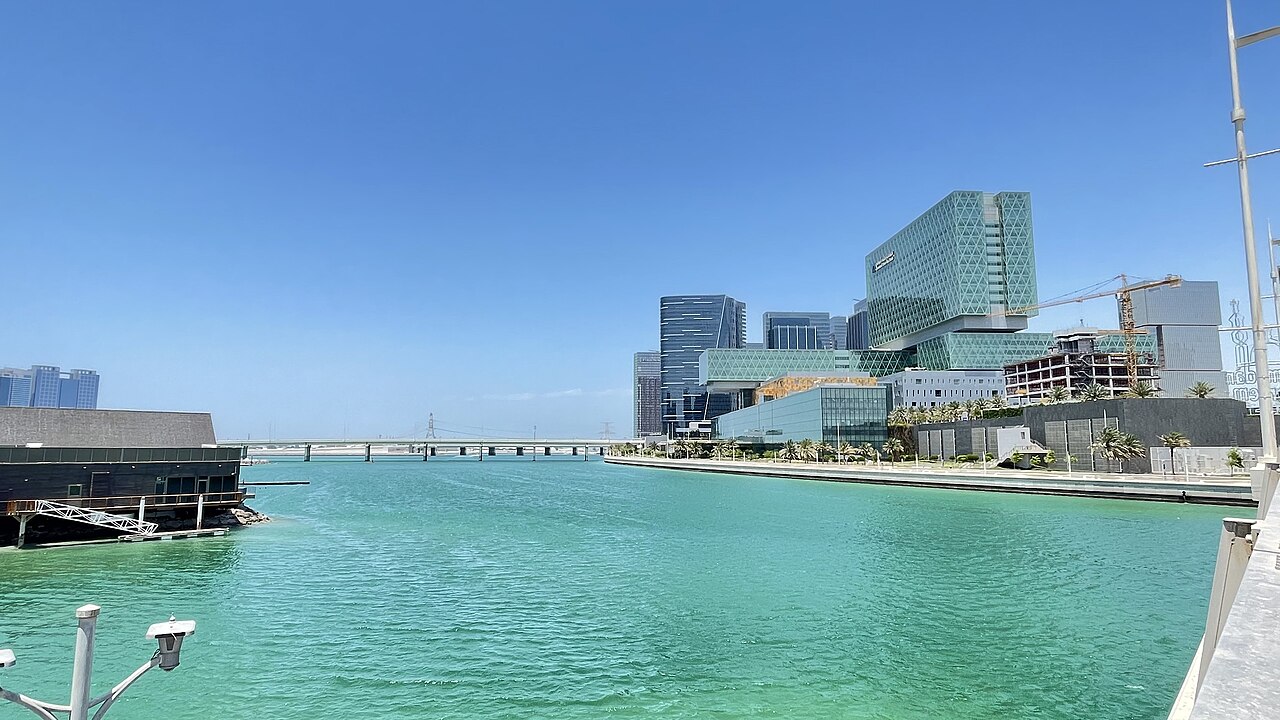
Abu Dhabi Cost of Living 2026: Rent, Schools, Utilities & Monthly Budgets
Disclaimer: Figures are June 2026 planning ranges, not quotes. Visa, insurance and school rules change, verify with ADEK, DOH, DMT and your employer before relocating.
Compare markets: Gulf expat living comparison · Property context: Abu Dhabi property investment guide · Families: Abu Dhabi vs Dubai for families · Rents: Abu Dhabi rent prices by area · Utilities: Abu Dhabi utilities ADD
Insider tip: demand last summer’s ADD villa bill before you sign, because winter readings understate June to September peaks by thousands of dirhams on older stock.
Abu Dhabi cost of living for a mid-tier family of four typically lands near AED 28,000 to 42,000 per month when rent, ADEK school fees, ADD utilities, two cars, and groceries are stacked together. That band often sits 10 to 20 percent below a like-for-like Dubai Marina or JBR package, mainly because villa and townhouse rents plus ADEK tuition undercut KHDA peers at the same curriculum tier. Family housing commonly runs AED 150,000 to 280,000 annually across Khalifa City, Reem fringe, Yas, and Saadiyat, while British mid-tier schools sit near AED 40,000 to 65,000 per child before bus and uniforms. Summer villa electricity on ADD can spike to AED 800 to 2,200 monthly, so annualise peak months rather than winter bills alone. Singles in older Reem or Khalifa one-bedrooms often clear about AED 10,000 monthly all-in with one car and modest dining.
Year-one cash for Abu Dhabi renters typically includes a 5 percent agency fee on annual rent, one to two months security deposit, and Tawtheeq-related components near 3 to 5 percent of annual rent before furniture. An unfurnished three-bedroom fit-out can add AED 25,000 to 60,000, and school registration plus uniforms often add AED 2,000 to 8,000 per child in the first term. Families should keep an AED 20,000 international-card buffer until the local salary account and Tawtheeq lease are live, because first WPS credit can land around week six. Car ownership remains a planning assumption for most households: AED 2,500 to 4,500 monthly all-in per car is a realistic financing, insurance, parking, and petrol stack. Premium Yas or Saadiyat lifestyles with two children in top British tiers can erase the Dubai discount and push totals toward AED 48,000 to 65,000 monthly.
How should you use this cost-of-living guide?
Use this Abu Dhabi cost guide by collecting three live rent quotes per area, then amortising ADEK fees monthly before you negotiate a relocation package. Two families on AED 45,000 gross can spend AED 32,000 or AED 48,000 depending on Yas versus Khalifa school and villa choices.
Invest Gulf checklist:
- Collect three rent comps per shortlisted area
- Amortise school fees before package talks
- Model Yas premium versus Khalifa value on the same salary
Why does Abu Dhabi feel cheaper than Dubai?
Abu Dhabi typically feels cheaper than Dubai because mid-tier rent and ADEK school fees often land 10 to 20 percent below Marina or JBR equivalents at the same curriculum tier, while the dirham stays USD-pegged and personal income tax remains absent for most expats. Premium Saadiyat or Yas living can erase that gap entirely.
Invest Gulf checklist:
- Compare like-for-like school tier, not headline salary
- Stress-test Saadiyat premiums that erase the Dubai discount
- Cross-check Abu Dhabi vs Dubai for families
What do sample monthly budgets look like in 2026?
Sample 2026 budgets typically show singles near AED 10,300 monthly in older Reem or Khalifa one-bedrooms, mid-tier families near AED 33,400 with British mid schools, and premium Yas or Saadiyat households from AED 48,000 upward. Replace table rents with live listings before you sign any cheque calendar.
Single professional: mid tier
| Category | AED/month |
|---|---|
| Rent 1BR (Reem / older Khalifa) | 5,500 |
| ADD utilities | 400 |
| Groceries | 1,400 |
| Transport (own car + fuel) | 1,200 |
| Mobile/internet (e& / du) | 350 |
| Dining / leisure | 1,200 |
| Health top-up (if not full employer cover) | 250 |
| Total | ~10,300 |
Family of four: mid tier
| Category | AED/month |
|---|---|
| Rent 3BR villa/townhouse (Khalifa City / Reem fringe) | 14,000 |
| ADD utilities (summer-weighted) | 1,200 |
| Groceries | 3,800 |
| Transport (two cars) | 2,800 |
| Mobile/internet | 600 |
| School fees (2 children, amortised, British mid) | 9,500 |
| Healthcare top-up | 600 |
| Activities / clubs | 900 |
| Total | ~33,400 |
Invest Gulf checklist:
- Swap indicative rents for live listings
- Weight summer ADD, not winter averages
- Add a second school line before calling the model final
How much is rent by area in Abu Dhabi?
Abu Dhabi rent typically ranges from about AED 5,500 to 11,000 monthly for one-bedrooms across Khalifa-to-Saadiyat stock, while family three-bedroom villas often run AED 12,000 to 35,000 depending on Yas, Saadiyat, Reem, or Al Raha. Agency fees near 5 percent and four to six post-dated cheques remain common.
| Area | Profile | 1BR AED/mo | 2BR AED/mo | 3BR / villa AED/mo |
|---|---|---|---|---|
| Yas Island | Theme parks, F1, Aldar communities, young families | 7,500-10,500 | 11,000-16,000 | 16,000-28,000 |
| Saadiyat Island | Culture district, beach, premium schools | 8,000-11,000 | 12,000-18,000 | 18,000-35,000+ |
| Al Reem Island | Mid-rise waterfront, finance commute | 6,500-9,000 | 9,500-14,000 | 14,000-22,000 |
| Al Maryah / downtown fringe | Corporate, short commutes | 7,000-10,000 | 10,000-15,000 | limited family stock |
| Khalifa City | Villas, schools, parks, value-leaning | rare 1BR | 8,000-12,000 | 12,000-20,000 |
| Al Raha / Shahama belt | Airport corridor, newer compounds | 5,500-8,000 | 8,500-12,500 | 13,000-19,000 |
| Al Ain | Inland, government/education, cheaper | 3,500-5,500 | 5,500-8,500 | 8,000-14,000 |
Invest Gulf checklist:
- Budget Tawtheeq components near 3 to 5 percent of annual rent
- Refuse oral promises to register later
- Read Abu Dhabi rent prices by area for deeper comps
Is Tawtheeq mandatory for tenants?
Tawtheeq registration is typically mandatory for Abu Dhabi tenancy, not optional agent paperwork, because visa renewals, many ADEK enrollments, ADD transfers, and bank KYC updates expect a registered lease. Agents promising registration later create a red flag even when monthly rent clears on time for all 12 months.
Budget AED components near 3 to 5 percent of annual rent when modelling year-one cash.
Invest Gulf checklist:
- Get fee split in the lease before cheques
- Tie key handover to registration timeline
- Treat missing Tawtheeq as a deal-breaker red flag
What do ADD utilities cost?
ADD utilities typically cost AED 350 to 700 monthly for moderate one-bedroom apartments and AED 1,200 to 2,500 for three-bedroom villas in summer peak months, with large pooled villas climbing past AED 2,500. Fibre internet from e& or du commonly adds AED 300 to 450 for 500Mbps to 1Gbps packages.
| Unit type | ADD AED/month (indicative) |
|---|---|
| 1BR apartment (moderate AC) | 350-700 |
| 2BR apartment | 500-1,000 |
| 3BR villa (Khalifa / Yas) | 1,200-2,500 summer |
| Large villa (pool, garden) | 2,500-5,000+ |
Invest Gulf checklist:
- Ask for last summer bill on villas
- Allow 3 to 10 business days for tenant transfer after keys
- See Abu Dhabi utilities ADD
How much do ADEK schools cost?
ADEK mid-tier British fees typically run AED 40,000 to 65,000 per child yearly, while premium campuses approach AED 70,000 to 95,000 before bus costs of AED 8,000 to 12,000. Amortised, two children in British mid often create an AED 9,000 to 11,000 monthly school line alone.
Invest Gulf checklist:
- Apply 6 to 12 months before arrival for popular years
- Add bus AED 800 to 1,200 monthly per child where needed
- Compare catchments: Saadiyat premium vs Khalifa value routes
| Area | School angle |
|---|---|
| Saadiyat | Cranleigh, Gems Saadiyat, premium cultural weekend |
| Yas | West Yas, Aldar academies, sports-heavy family life |
| Reem | Reem Island schools + downtown commute |
| Khalifa City | Raha International belt, villa + bus routes |
| Al Ain | Smaller pool, lower fees, heat and commute trade-off |
What do groceries, dining, and household help cost?
Groceries and dining typically stay cheaper in Khalifa City and Reem than Saadiyat hotel retail, with casual family dinners near AED 150 to 250 and premium brunch AED 400 to 700 per couple. Part-time cleaning often runs AED 35 to 45 hourly; live-in help can total AED 2,500 to 4,500 monthly all-in.
Invest Gulf checklist:
- Shop Khalifa or Reem hypermarkets for weekly baskets
- Cap hotel F&B on Yas and Saadiyat as occasional spend
- Model maid visa costs before assuming AED 35 hourly help scales
What should you budget for cars and transport?
Car budgets typically run AED 2,500 to 4,500 monthly all-in per household vehicle including finance, insurance, parking, and petrol, because Abu Dhabi metro coverage is thinner than Dubai for school and office runs. Two-car households are common once spouse mobility and school gates diverge each weekday.
Invest Gulf checklist:
- Assume two cars for dual school and office schedules
- Include parking and Salik-equivalent friction in island commutes
- Read Abu Dhabi driving licence for swap timing
How does healthcare and insurance work in Abu Dhabi?
Healthcare for Abu Dhabi residents typically requires DOH-compliant insurance, with employers covering many sponsored staff while Golden Visa and top-up cases self-fund outpatient or maternity gaps. Budget a private top-up of AED 250 to 600 monthly when the network caps the clinics you will actually use.
Family top-ups of AED 600 monthly are a common planning placeholder when employer outpatient caps are thin.
Invest Gulf checklist:
- Confirm DOH network lists the clinics you will use
- Price maternity and outpatient caps before arrival
- See Abu Dhabi health insurance DOH
What one-off costs hit in year one?
Year-one one-off costs typically include 5 percent agency fees, one to two months deposit, Tawtheeq components near 3 to 5 percent of annual rent, furniture of AED 25,000 to 60,000 if unfurnished, and school setup of AED 2,000 to 8,000 per child. Employers rarely reimburse furniture without a written allowance.
| Item | Indicative AED |
|---|---|
| Agency fee (5% annual rent) | 7,500-14,000 |
| Security deposit | 1-2 months rent |
| Tawtheeq / municipality components | 3-5% of annual rent |
| Furniture package (if unfurnished) | 25,000-60,000 |
| School registration + uniforms | 2,000-8,000 per child |
| Car purchase deposit or lease admin | 5,000-15,000 |
Invest Gulf checklist:
- Put furniture and agency fees in the relocation ask
- Keep deposit return rules in writing
- Avoid signing before school seat letters exist
How do expats open bank accounts?
Expat bank opening in Abu Dhabi typically needs Emirates ID, a salary certificate, and Tawtheeq before full KYC clears, so plan an AED 5,000 to 15,000 international-card float for deposits and school registration. Account delays of 1 to 3 weeks are common when documents arrive in stages.
Invest Gulf checklist:
- Carry AED 5,000 to 15,000 card float pre-account
- Bring Tawtheeq and Emirates ID together
- See Abu Dhabi property investment guide for banking context links
How does Abu Dhabi compare to Dubai on living costs?
Abu Dhabi mid-tier family spend typically lands 10 to 20 percent below Dubai when school tier and rent band match, mainly on ADEK versus KHDA fees and villa pricing. Premium Saadiyat or Yas packages can match or exceed Dubai Marina once utilities and clubs stack across a full 12-month year.
Invest Gulf checklist:
- Match school tier before declaring a winner
- Re-run Yas premium scenarios separately
- Read Dubai vs Abu Dhabi cost of living
What do two relocation scenarios look like?
Two illustrative relocation scenarios typically bracket planning: a finance couple in a Reem two-bedroom near AED 18,000 to 22,000 monthly, versus a Khalifa villa family with British mid schools near AED 32,000 to 38,000. Adjust both models if schooling or housing allowance is missing from the offer.
Invest Gulf checklist:
- Finance couple: stress AED 18,000 to 22,000 Reem model
- Family: stress AED 32,000 to 38,000 Khalifa model
- Fail the offer if schooling is uncovered above 75 percent of net
Does Golden Visa change living costs?
Golden Visa status typically does not discount Abu Dhabi living costs: rent, ADEK fees, ADD bills, and cars stay on the same price list as employment-visa households. Ownership can replace rent with service charges, but a AED 2 million purchase is a capital decision, not a monthly COL coupon.
Ownership still needs service-charge lines of AED 2,000 to 6,000 monthly on many island homes.
Invest Gulf checklist:
- Separate visa stability from monthly COL
- Model service charges if you buy instead of rent
- See Abu Dhabi property investment guide
What pre-sign checklist should renters run?
Pre-sign checks for Abu Dhabi renters typically start with written Tawtheeq fee splits near 3 to 5 percent of annual rent, last-summer ADD villa bills, school seat letters, parking caps, and an employer allowance letter covering rent and schooling before any post-dated cheque is signed.
Invest Gulf checklist:
- Written Tawtheeq commitment and fee split
- ADD meter type and last summer bill
- Parking bays and chiller cap in lease
What pre-move cost validation checklist matters?
Pre-move validation typically means stress-testing rent comps, school fee sheets, summer ADD estimates, one-car versus two-car models, healthcare top-ups, Tawtheeq and agency fees, furniture deltas, and a 75 percent net-spend ceiling before flights. If the model breaks, renegotiate the package before you relocate this year.
- Three rent comps per shortlisted area
- School fee sheet plus bus quote per child
- ADD summer estimate for target unit type
- Two-car vs one-car transport model
- Healthcare top-up if employer plan is basic
- Tawtheeq and agency fee in year-one cash plan
- Furniture vs furnished delta
- Cheque calendar aligned to salary dates
- 75% net spend ceiling before lifestyle extras
- Visa and medical timing for dependents
- Maid sponsorship cost if planned
- International card buffer until bank account live
- Currency peg noted (AED/USD) for home-country reporting
- Commute time to workplace validated on peak hour
- Community service charge if buying later
- Exit cost (notice period, deposit return rules)
Invest Gulf checklist:
- Stop if spend exceeds 75 percent of net
- Renegotiate before flight, not after invoices
How do Yas, Saadiyat, Reem and Khalifa differ?
Area lifestyle notes typically split four ways: Saadiyat pairs culture and premium schools at the highest rent, Reem suits corporate mid-rise living, Khalifa City is the villa value lever with 20 to 35 minute drives to island jobs, and Al Ain only fits Al Ain-based roles on lower rent columns.
Khalifa villa rents near AED 12,000 to 20,000 monthly remain the main COL lever versus Saadiyat at AED 18,000 to 35,000.
Invest Gulf checklist:
- Pick Saadiyat only with school budget cover
- Use Khalifa when villa space is the COL lever
- Skip Al Ain without an Al Ain job base
How should monthly cash flow and cheques work?
Monthly cash flow typically hinges on four to six post-dated rent cheques aligned to WPS salary dates, with first salary sometimes arriving around week six after joining. Carry an AED 20,000 international buffer if relocation costs are unreimbursed while ADCB or FAB apps track every single cheque reminder.
Invest Gulf checklist:
- Align four cheques to salary credit dates
- Hold AED 20,000 buffer through week six
- Enable bank reminders for every post-dated cheque
How do remote workers and Golden Visa holders budget?
Remote workers and Golden Visa holders typically face the same rent, ADD, and car economics as employed residents, because visa type does not discount groceries or ADEK fees. Without local salary, banks and landlords often want stronger buffers of AED 20,000 or more before Tawtheeq leases clear.
School lines of AED 9,000 to 11,000 monthly for two British mid children still dominate remote-family models.
Invest Gulf checklist:
- Prove stronger bank buffers without local salary
- Expect identical rent and school pricing
- Read Abu Dhabi expat community
What 2026 fee trends should you watch?
Fee trends to watch in 2026 typically include ADEK announcements in Q2 for the next academic year, occasional DMT Tawtheeq tariff changes, and district-cooling or master-community charges that can rise faster than older Reem towers. Verify every tariff before lease signing, not after the first summer ADD spike.
A 5 to 10 percent school-fee uplift in a single year can erase prior Dubai savings if you under-model ADEK.
Invest Gulf checklist:
- Diary ADEK Q2 fee notices
- Re-verify Tawtheeq tariffs at signing
- Track district cooling on new Aldar stock
Planning to relocate to the Gulf?
Our team helps you find the right area and property for your lifestyle and budget.
Frequently Asked Questions
Family of four typically spends AED 28,000-42,000/month including rent, schools, utilities, and lifestyle costs. This is often 10-20% below equivalent Dubai tier due to lower rent and ADEK school fees.
Yes, typically 10-20% lower on rent and school fees. Yas/Saadiyat family villas run AED 180K-280K annually vs Dubai Marina/JBR equivalents. ADEK schools cost less than KHDA equivalent tiers.
Singles: AED 50K-90K annually for 1-bed in Khalifa City to Reem Island. Families: AED 150K-280K for 3-4 bed villa/townhouse on Yas, Saadiyat, or Al Raha. Premium Yas waterfront can exceed AED 300K.
ADD electricity averages AED 300-800/month for apartments, AED 800-2,200/month for villas during summer AC season (June-September). Villas have higher utility burden than district-cooled towers.
ADEK mid-tier British curriculum: AED 40K-65K annually. Premium tier (like BISAD): AED 70K-95K. Plus transport AED 8K-12K, uniforms, registration. Often 10-20% below Dubai KHDA equivalents.
Yes for families, limited metro coverage compared to Dubai. Budget AED 2,500-4,500/month including financing, insurance, parking, and petrol. Second car common for school runs and spouse mobility.
Get a Gulf property shortlist
Tell us your budget and target market. Independent research first; enquiries are matched with licensed local partners. We reply within one business day.