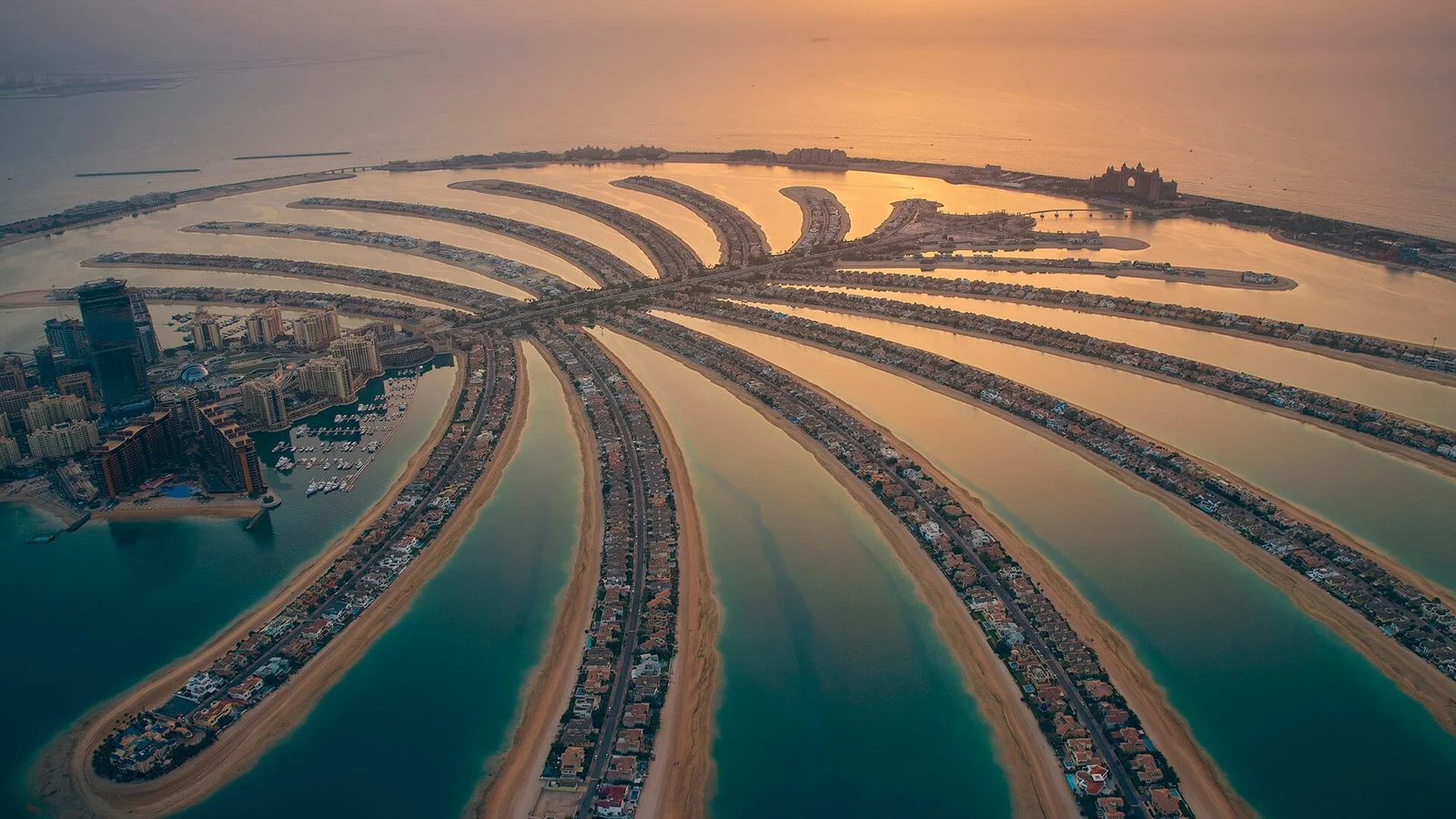
Palm Jumeirah is the exception to almost every Dubai investment rule. The standard framework, yield first, then capital appreciation, then lifestyle, inverts on the Palm. Here, the starting question is: what are you willing to pay for an asset that cannot be replicated, will appreciate as long as Dubai exists as a global destination, and generates income that ranges from competitive to extraordinary depending on how you operate it?
Every Palm frond villa that exists is already built. No new frond supply will be created. The 16 fronds, the trunk, and the crescent are fixed. That supply constraint is fundamental and permanent. Global ultra-prime property markets are littered with one-of-a-kind addresses that appreciate over decades not because they generate high yields but because they represent finite, globally recognisable ownership.
Part of the Best Areas to Buy Property in Dubai guide. For yield comparisons across Dubai, see the Dubai Rental Yield Guide.
How does Palm Jumeirah fit a Gulf buyer portfolio in 2026?
Palm Jumeirah typically means trophy scarcity with apartment gross yields of 4% to 6% and frond villa gross of 2.5% to 4%, not JVC-style income. We treat entry from AED 2.5 million for apartments and AED 15 million-plus for villas as capital preservation. Document operating mode before deposit.
Palm Jumeirah typically delivers 4% to 6% gross on apartments and 2.5% to 4% on frond villas because purchase prices at AED 2,800 to AED 5,000 per sq ft for apartments and AED 15 million to AED 80 million for villas compress percentage returns even when 2BR rents of AED 150,000 to AED 250,000 look strong. Invest Gulf underwriting for the area starts from fixed frond inventory of about 1,600 signature villas across 16 fronds, with STR gross of AED 1.8 million to AED 2.8 million possible on a managed 4BR versus AED 600,000 to AED 800,000 long-let. Net after service charges of AED 20 to 35 per sq ft and villa operating costs often lands at 2.0% to 4.0%. Confirm DET permits, Nakheel master charges, and freehold versus leasehold status before wiring for the area.
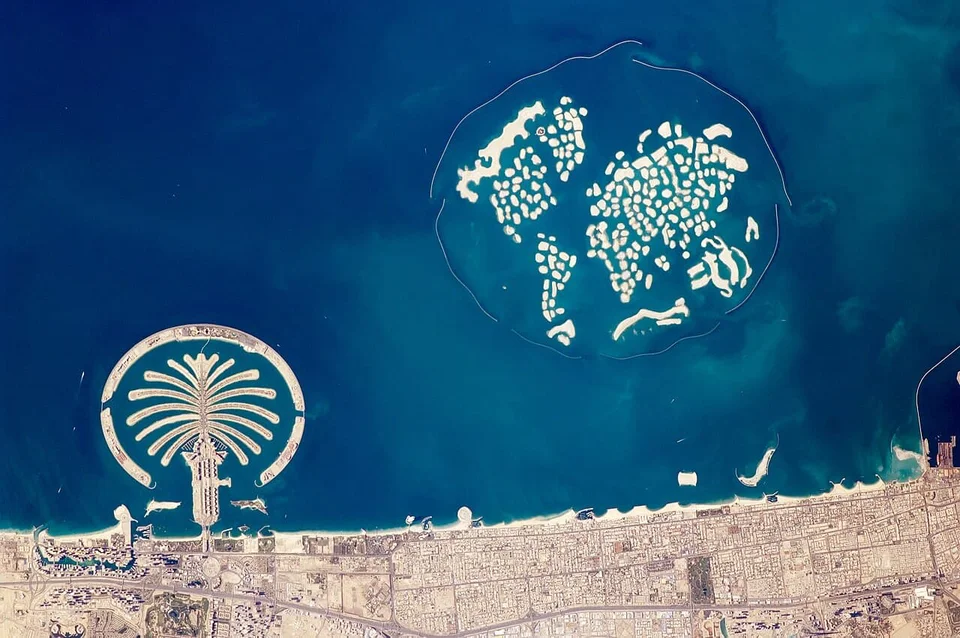
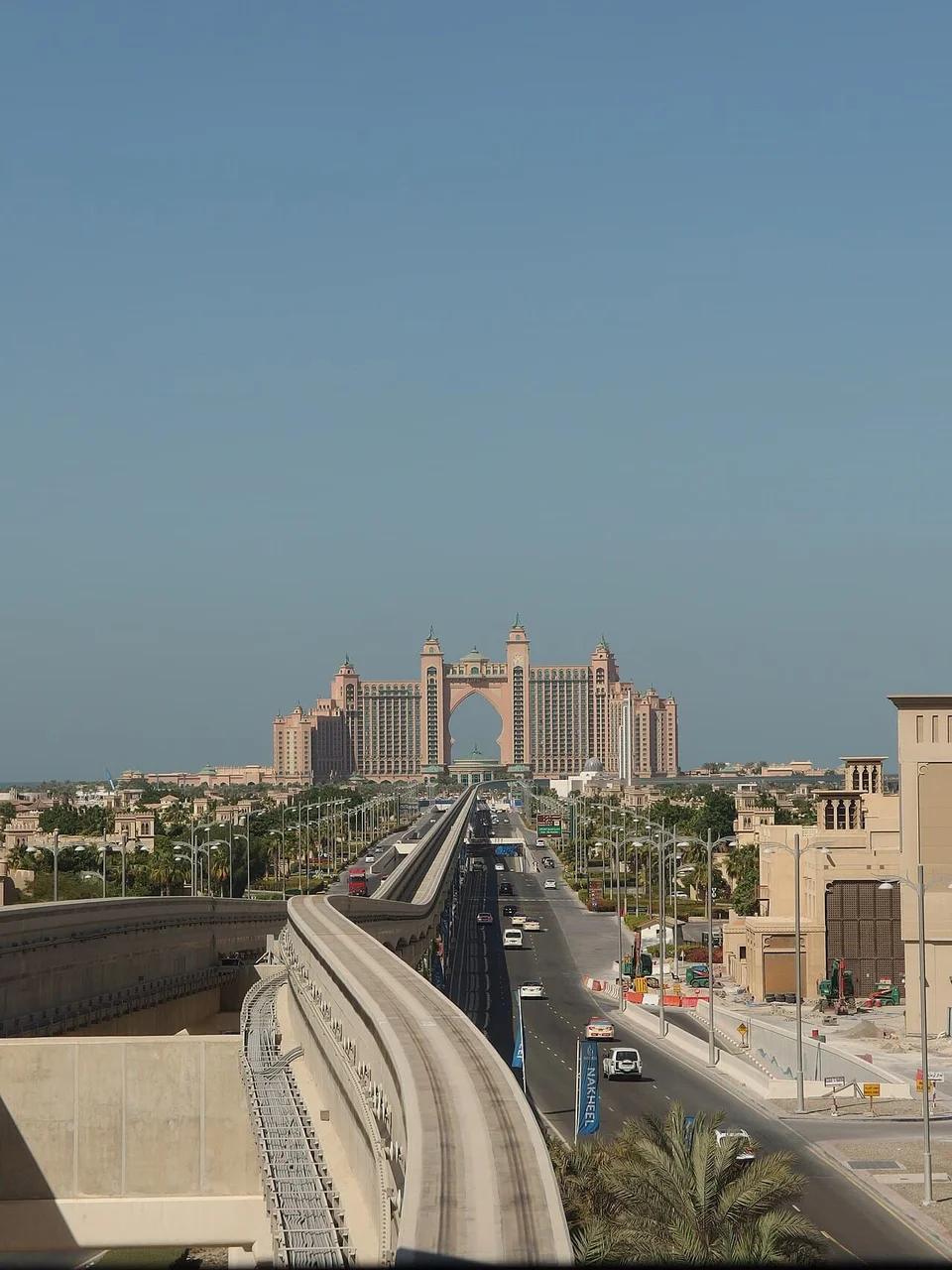
Why is Palm Jumeirah supply permanently fixed?
Palm Jumeirah fronds typically hold about 1,600 signature villas across 16 fronds with zero new plot creation, so the only supply event is resale. Our underwriting treats that fixed inventory as the price-floor mechanism for the area during corrections. Trunk and crescent apartments remain less supply-constrained than frond villas.
| Palm zone | Villa supply | Apartment supply | New development potential |
|---|---|---|---|
| Fronds A-P (16 fronds) | 1,380 signature villas | Zero | None, fully built |
| Garden Homes | 220 larger villas | Zero | None, fully built |
| Trunk (mainland) | Zero villas | 6,000+ apartments | Limited infill plots |
| Crescent | Zero villas | 2,500+ apartments | Ongoing hotel-residences |
Frond villa values typically rose 80% to 120% from 2020 troughs to 2025 peaks, with four-bedroom stock that traded near AED 8 million in 2020 often at AED 16 million to AED 20 million in 2025 to 2026. Invest Gulf notes trunk apartments rose about 50% to 70% over the same window for the area, while COVID corrections cut Palm villas only 15% to 20% versus 30% to 40% in outer Dubai communities. Global UHNW demand, currency stability against the US dollar, and zero new frond supply drive that resilience across roughly 1,600 signature villas on 16 fronds. Apartment buyers should still evaluate Shoreline, Golden Mile, and crescent hotel-residences rather than assuming frond scarcity applies equally across Palm Jumeirah for foreign buyers holding five years or longer.
What STR income can Palm frond villas realistically generate?
Palm frond villa STR typically needs 15% to 20% management, a DET permit of AED 1,520 per year, and AED 200,000 to AED 500,000 prep costs before net is real. We model AED 1.2 million to AED 2.5 million net on AED 20 million to AED 35 million assets for the area when occupancy holds. Long-let alone often nets below 3%.
Insider tip: reject STR projections above AED 3 million annual revenue unless the operator shows 24 months of actual Palm frond bookings for that villa size; realistic managed 4BR averages closer to AED 1.5 million to AED 2.2 million.
Do Palm trunk apartments still make sense on yield?
Mid-tier Palm apartments in Shoreline and Tiara typically compete with Marina and Downtown yield when tickets sit below ultra-prime PSF bands of AED 2,800 to AED 5,000. We still price the Palm address and beach access into resale liquidity for the area. Compare Ejari on the exact building, not frond villa headlines.
What is the full cost stack for a Palm purchase?
Palm purchases typically add DLD transfer of 4%, trustee and agency lines, plus Nakheel charges on top of AED 20 to 35 per sq ft apartment service charges. We budget villa operating stacks of AED 200,000 to AED 400,000 per year for the area. Confirm current official rules before deposit.
How heavy are Palm Jumeirah service charges?
Frond villa service charges plus Nakheel levies typically represent 0.8% to 1.2% of property value per year on Palm Jumeirah. Invest Gulf finds LTR-only operation on a AED 25 million villa struggles to stay above 3% net for the area. STR revenue is the usual path that makes those costs workable.
What should you verify on Palm off-plan stock?
Palm Jebel Ali off-plan typically relaunched at AED 15 million to AED 35 million with handovers from 2027, while No Beach marketed near AED 4,000 to AED 6,500 per sq ft. Our underwriting treats Palm Jebel Ali as a brand-extension bet, not ready income, for the area. Confirm freehold versus 99-year leasehold on crescent stock.
- Palm Jebel Ali: Nakheel relaunched frond villa off-plan sales in 2023 to 2024
- Palm Jumeirah Crescent extensions and hotel-branded residences
- No Beach (Nakheel, crescent-adjacent): off-plan apartments at AED 4,000 to 6,500 per sq ft
What should make you walk away on Palm Jumeirah property investment?
Palm red flags typically include deferred frond villa maintenance needing AED 300,000 to AED 800,000 refurb before STR, and celebrity-booking comps that overstate average revenue. We also pause older Shoreline towers without a 10-year marine capex plan for the area. Confirm leasehold versus freehold before SPA.
- Frond villa maintenance deferred by previous owners: budget AED 300,000 to 800,000 refurbishment before STR
- STR projections based on outlier bookings instead of AED 1.5M to 2.2M managed averages
- Older apartment buildings approaching marine maintenance cycles after 15 to 18 years
- Leasehold versus freehold status on crescent branded residences
Who is Palm Jumeirah investment actually for?
Palm Jumeirah typically suits buyers with a 10+ year hold, Golden Visa tickets above AED 2 million, and appetite for STR complexity on AED 15 million-plus fronds. We steer maximum-yield seekers to JVC or Dubai South instead of the area. Pure income buyers usually prefer Marina or Business Bay arithmetic.
For the full Dubai area investment comparison, see Best Areas to Buy Property in Dubai.
Related reading: Dubai Property Investment Guide · Off-Plan Property Dubai · Cost of Buying Property in Dubai.
Ask for the tower’s refurbishment history before pricing the yield, since Palm stock handed over more than a decade ago is now reaching cycles that reach owners as levies.
Ready to start your Gulf property search?
Get a personalised shortlist matched to your investment goals.
Frequently Asked Questions
Palm Jumeirah delivers gross yields of 4-6% on apartments and 2.5-4% on frond villas in 2026. The lower yield is the direct consequence of very high acquisition prices, not low rents. Apartment rents in Tiara, Shoreline, and Palm Views are strong (AED 150,000-250,000 per year for 2BR), but the denominator, purchase price at AED 2,800-5,000 per sq ft, compresses the yield percentage. Frond villa rents are exceptional (AED 600,000-1.5M+ per year) but acquisition costs run AED 15M-80M+, producing yields of 2.5-4.0%. Net yield after service charges (AED 20-35 per sq ft), management, and maintenance lands at 2.0-4.0%.
Palm Jumeirah frond villas start from approximately AED 15 million for a three to four-bedroom signature villa in an original Nakheel frond design, rising to AED 35-50 million for renovated or extended six-bedroom villas with pool upgrades. The top-end Garden Homes and larger plots on Fronds A-R have transacted at AED 60-85 million in 2024-2025 for fully refurbished trophy properties. Trunk and boardwalk apartments range from AED 2.5M (1BR in Shoreline) to AED 25M+ for penthouses in marquee addresses.
Palm Jumeirah is Dubai's strongest short-term rental market by average nightly rate. Beachfront apartments and especially frond villas generate the highest STR revenue in the city, a 4BR frond villa can generate AED 1.8M-2.8M in gross STR revenue per year at peak occupancy, versus AED 600,000-800,000 annual LTR rent. Managed holiday home operators consistently report 80-90% annual occupancy on well-maintained frond villas marketed to international UHNW clientele. The STR premium over LTR is the largest on the Palm of any Dubai product type.
Palm Jumeirah has delivered some of the strongest capital appreciation in Dubai since 2020. Frond villa values have increased 80-120% from 2020 trough prices to 2025 peaks, a four-bedroom villa that traded at AED 8M in 2020 commonly transacts at AED 16M-20M in 2025-2026. Trunk apartment prices have risen 50-70% over the same period. The appreciation driver is a combination of global demand for Dubai ultra-prime, AED/USD stability, and the absolute supply constraint, there is no new frond villa supply and will not be.
The primary risks are: very high entry costs making the yield math challenging at current prices, significant service charges in older towers and villas (AED 20-35 per sq ft for apartments, AED 200,000-400,000 per year for frond villas including all charges), STR revenue concentration in peak months (the summer offseason can see 40-50% occupancy drops versus peak), and liquidity at the very high end (AED 30M+ frond villas can take 12-18 months to sell at target prices). At lower price points (AED 3M-10M apartments), liquidity is stronger.
What is on the market on Palm Jumeirah?
Palm Jumeirah stock divides into three products with almost no overlap in price. Frond villas start around AED 15 million, trunk and shoreline apartments start around AED 2.5 million, and crescent hotel-branded residences sit between AED 4 million and AED 40 million depending on the operator and the view orientation.
| Zone | Product | Entry price | Price per sq ft | Gross yield |
|---|---|---|---|---|
| Fronds A to R | Signature and Garden Homes villas | AED 15M | AED 2,800 to 5,000 | 2.5% to 4.0% |
| Trunk, Shoreline | 1 to 3 bedroom apartments | AED 2.5M | AED 2,200 to 3,200 | 4.2% to 5.8% |
| Trunk, Golden Mile | 1 to 3 bedroom apartments | AED 2.8M | AED 2,400 to 3,400 | 4.0% to 5.5% |
| Crescent | Branded residences | AED 4M | AED 3,200 to 5,000 | 3.0% to 4.5% |
| Palm Tower and Nakheel Mall | Serviced apartments | AED 2.6M | AED 2,600 to 3,600 | 4.0% to 5.5% |
Two facts about this inventory decide most purchases. There are roughly 1,600 signature villas across the 16 fronds and no mechanism exists to create more, so every frond transaction is a resale. And the apartment stock, while larger, is concentrated in buildings handed over between 2007 and 2012, which puts most of it into its second major plant replacement cycle.
Which units actually sell, and how fast?
Liquidity on Palm Jumeirah is a function of price band rather than product type, and the pattern is stable across cycles. Apartments between AED 2.5 million and AED 6 million clear in six to twelve weeks. Frond villas between AED 15 million and AED 25 million clear in three to six months. Above AED 30 million a sale can take twelve to eighteen months at a target price.
- Under AED 6M, apartments: deepest buyer pool, both investors and end-users, six to twelve weeks
- AED 6M to 15M, penthouses and large apartments: end-user weighted, three to five months
- AED 15M to 30M, frond villas: international buyer pool, three to six months
- Above AED 30M, refurbished trophy villas: single-digit buyer pool, twelve to eighteen months
Our underwriting treats anything above AED 20 million as an asset with no reliable exit date rather than one with a slow exit date, because the buyer pool at that level is small enough that a sale depends on a specific buyer appearing rather than on price.
What does a Palm purchase actually cost at transfer?
A cash purchase carries the standard Dubai stack of 6% to 7%, and on Palm prices the absolute numbers are large enough to change a budget. On a AED 4 million apartment that is roughly AED 260,000; on a AED 18 million frond villa, roughly AED 1.15 million.
| Line | AED 4M apartment | AED 18M frond villa |
|---|---|---|
| DLD transfer fee, 4% | 160,000 | 720,000 |
| Agency commission, 2% plus VAT | 84,000 | 378,000 |
| Trustee office fee | 5,250 | 5,250 |
| Developer no-objection certificate | 2,000 to 5,000 | 3,000 to 5,000 |
| Total closing | about 253,000 | about 1,106,000 |
| Effective premium | 6.3% | 6.1% |
The Nakheel master community charge sits on top of the building service charge on the fronds, which is the line most first-time Palm buyers miss entirely. Budget AED 200,000 to 400,000 a year in total running cost on a frond villa once master charge, building charge, pool, landscaping and cooling are included.
An insider tip on buying on the fronds
Insider tip: on a frond villa, ask for the Nakheel master community charge statement separately from the building or villa charge, because the two are billed by different entities and only one of them usually appears in a seller’s summary. On a signature villa the combined running cost lands at AED 200,000 to 400,000 a year, against a gross rent of AED 600,000 to 1.5 million, which is where the gap between a 4% gross yield and a 2.5% net yield comes from. The second thing that statement reveals is arrears: a frond with several owners behind on the master charge is a frond where shared landscaping, beach access maintenance and security are being underfunded, and that shows up in the resale price long before it shows up in a survey.
Palm Jumeirah against Dubai Harbour and Bluewaters
Buyers shortlisting Palm Jumeirah almost always look at two alternatives, and the three answer different questions. Palm offers fixed supply and the strongest short-let rates in Dubai at 4.2% to 5.8% apartment yields. Dubai Harbour offers newer stock and marina frontage. Bluewaters offers a smaller, more controlled inventory with hotel and retail anchoring.
- Palm Jumeirah: fixed supply, highest short-let rates, oldest apartment stock, heaviest running cost
- Dubai Harbour: newer buildings, lower service charges, ongoing handover pipeline competing at resale
- Bluewaters: smallest inventory, single developer, tightest control, thinnest resale comparables
The practical distinction is supply risk. Palm has none and prices it. The other two are still delivering, which means a seller at handover competes with new stock from the same developer. For a buyer whose thesis is scarcity rather than newness, that difference is the whole argument.
How does the Palm short-let market actually work?
Palm Jumeirah is the strongest short-let market in Dubai by average nightly rate, and it is also the most operationally demanding. A managed four-bedroom frond villa can gross AED 1.8 million to 2.8 million a year against AED 600,000 to 800,000 on a long lease, and the gap is earned rather than collected.
The operating stack on a frond villa runs to five recurring lines that a long lease does not carry. A specialist operator takes 15% to 25% of gross on villas at this level, higher than the 15% to 20% typical of apartments, because the service expectation is closer to hospitality than to lettings. Furnishing to the standard the rate assumes costs AED 400,000 to 900,000 and is replaced on a three to four year cycle. Utilities, cooling and pool run to the owner rather than the tenant. The Department of Economy and Tourism holiday home permit is held per unit and renewed annually. And staffing, whether a housekeeper on rotation or a concierge arrangement, is not optional at the rate the villa is being marketed at.
Seasonality is sharper than most models allow. A well-run frond villa holds 80% to 90% occupancy from October to April and can fall to 40% to 55% in July and August, which means a full-year average around 70% rather than the headline figure quoted from peak months. The apartments behave similarly but with a shallower trough, because a portion of their demand is business travel rather than leisure.
Netted out, the honest short-let premium on a Palm frond villa is 1.5 to 2.5 percentage points of yield over a long lease, on a much larger revenue base and with an operating business attached. On trunk apartments the premium narrows to 1 to 2 points. Both are real, and neither is the four-point gap the gross figures imply.
What should a buyer check before an offer on the Palm?
Six checks, and only two of them are visible at a viewing.
The Nakheel master community charge statement, separately from the building or villa charge, together with the arrears position on that frond or in that tower. Underfunded shared landscaping, beach access and security show up in resale value before they show up anywhere else.
The plant age in an apartment building. Most Palm apartment stock was handed over between 2007 and 2012 and is now in its second chiller and lift replacement cycle, which is either funded from a reserve or funded from a levy on whoever owns the unit when the work is scheduled.
The short-let position, if that is the model. It is set by the owners association rather than by the permit, and several Palm buildings restrict it.
The beach access arrangement, which differs by frond and by building and is a rent driver rather than an amenity detail.
Any unapproved external modification on a villa, since Nakheel approval is required and the developer can decline the no-objection certificate until the work is regularised.
The tenancy position, because a frond villa let on a long lease at a rent set three years ago cannot be repriced until renewal and cannot be vacated before the term ends.
Who should not buy on Palm Jumeirah?
Four buyer scenarios consistently disappoint on this address, and the yield table shows none of them.
The income-first buyer. At 2.5% to 4.0% gross on villas and 4.2% to 5.8% on apartments, Palm is the weakest income asset in Dubai relative to its price. A buyer whose objective is cash flow is better served by the mid-market belt at 7.5% to 9.2%, and the comparison is on apartments for sale in Dubai.
The buyer with a horizon under five years. Closing costs of 6% to 7% on a AED 18 million villa are AED 1.1 million, and a sale above AED 30 million can take eighteen months. Those two numbers together make a short hold structurally unprofitable.
The buyer relying on short-let projections without an operator. The rates quoted in marketing assume a managed operation at a service standard that an absentee owner cannot deliver, and the difference between a well-run and a self-managed Palm villa is 30% to 40% of gross revenue.
The buyer who has not priced the running cost. AED 200,000 to 400,000 a year on a frond villa is a number that turns an apparently acceptable gross yield into a low single-digit net one, and it does not fall when the villa is empty.
How does financing work on a Palm purchase?
Central bank ceilings apply as everywhere, and Palm prices push most purchases into the tighter bands. A resident borrows up to 75% on a first property under AED 5 million and less above it; a non-resident borrows 50% to 65% at pricing above resident rates. On a AED 18 million frond villa a non-resident is therefore funding AED 6.3 million to AED 9 million in cash before closing costs of roughly AED 1.1 million.
Valuation is the operative risk at this price level. Frond villa comparables are sparse, because roughly 1,600 units transact rarely and each is materially different on plot, refurbishment and frond position. A valuer facing thin evidence prices conservatively, and a 5% shortfall on AED 18 million is AED 900,000 payable in cash at completion. Obtain an indicative valuation before agreeing a price rather than after, and treat a valuation materially below the agreed figure as information rather than as an obstacle.
Approval timelines run longer here too. Above roughly AED 5 million banks apply additional review and sometimes commission a second valuation, which adds two to three weeks to a transaction that already depends on a Nakheel no-objection certificate. The regulatory ceilings are in UAE central bank mortgage rules and the lender list in the UAE mortgage bank list.
What is the realistic five-year case on the Palm?
Modelling a Palm hold honestly means separating the two things the address delivers, because they behave differently and only one of them is predictable.
Income is the predictable half and it is modest. A trunk apartment at AED 4 million letting at AED 200,000 grosses 5.0%, and after a service charge at AED 22 per square foot, management at 6%, a vacancy allowance at 5% and a maintenance provision at 0.5% of value, net rent lands near AED 132,000, or 3.3%. Across five years that is roughly AED 660,000 against closing costs of AED 253,000 and an exit cost near AED 84,000, so income alone repays the round trip in about two and a half years and produces a modest surplus after five.
Capital is the unpredictable half and it is the reason people buy here. Frond villa values have moved a long way through the last cycle, and the mechanism behind that is supply that cannot be added to rather than a forecast. What a buyer should not do is model a specific appreciation rate, because the honest position is that nobody knows it. What a buyer can rely on is that the 1,600 frond villas will still be 1,600 in five years, which is not true of any other Dubai product at this price level.
The practical conclusion is that Palm suits a buyer for whom the income is acceptable rather than attractive, the running cost is affordable without reference to the rent, and the holding period is long enough that liquidity at the top of the market never becomes the binding constraint. For everyone else, the mid-market belt does the income job better and the emirate hub sets out that comparison on the Dubai property page.
Get a Gulf property shortlist
Tell us your budget and target market. Independent research first; enquiries are matched with licensed local partners. We reply within one business day.