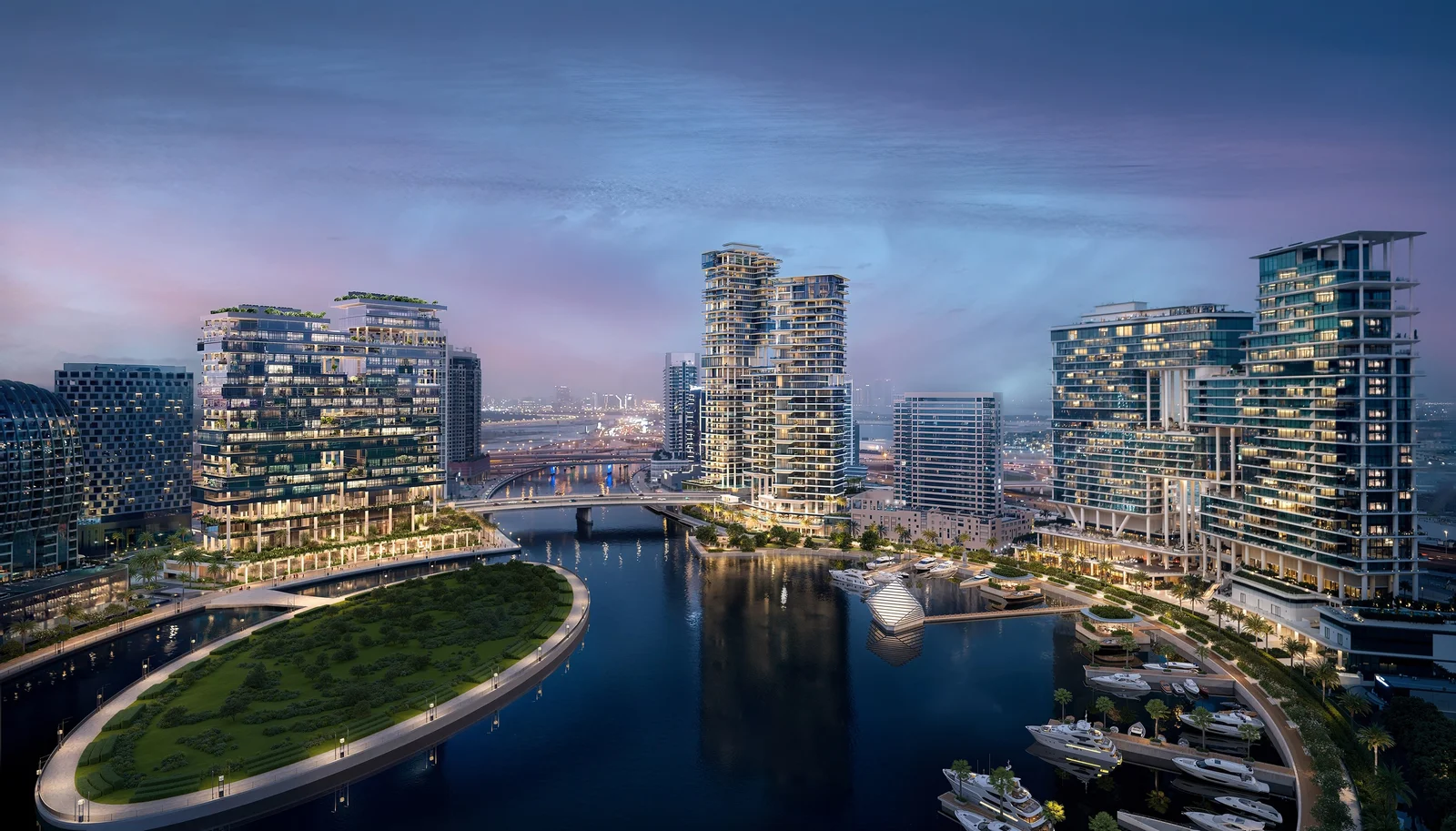
Dubai Silicon Oasis (DSO) is Dubai’s original tech free zone translated into residential towers, a corridor where semiconductor logos on office parks matter less to investors than 7-8.5% gross apartment yields and a tenant pool of tech workers, university staff, and budget-conscious professionals who never pretended they were buying Palm Jumeirah lifestyle.
Freezone compare: DMCC company setup · Quick answer: Gross yield 7.0-8.5%. Entry AED 550K-1.2M (1-2BR). Tech and student tenant mix. Freehold. Yield over appreciation.
Compare: Motor City property investment · Best areas to buy property Dubai
What yields does Dubai Silicon Oasis deliver in 2026?
Dubai Silicon Oasis typically delivers 7.0 to 8.5% gross on mid-rise apartments in 2026, with one-bedroom entry near AED 550,000 to 750,000 and stronger employer-linked demand from the tech free zone and Academic City before SPA deposit.
| Metric | DSO 2026 | Dubai Hills (apartments) |
|---|---|---|
| 1BR entry | AED 550K-750K | AED 1.1M+ |
| Gross yield | 7.0-8.5% | ~5.5-6.5% |
| Tenant mix | Tech + students | Family end-user |
| Appreciation | Mid-tier | Higher historical |
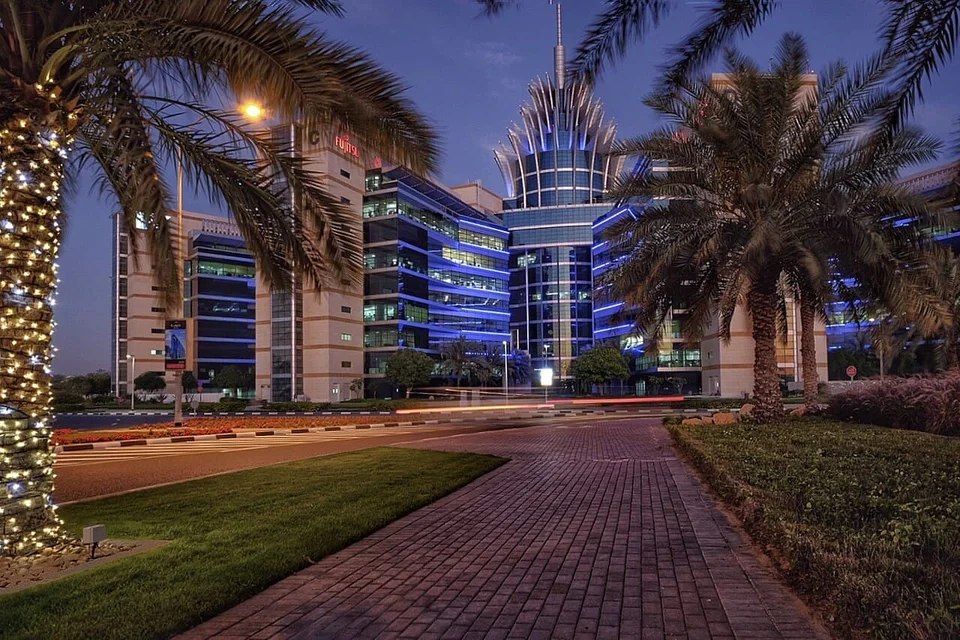
Invest Gulf underwriting treats DSO as yield-led apartment stock, not appreciation-led lifestyle product.
Who rents apartments in Dubai Silicon Oasis?
DSO tenants typically skew to DSOA-registered employers, nearby tech offices, and Academic City staff on 12 to 24 month Ejari cycles, so void planning matters more than in family communities. Senior tech one-beds often clear AED 52,000 to 75,000 annual rent, while graduate studios sit nearer AED 34,000 to 48,000 with higher summer void risk for foreign buyers.
| Tenant segment | Typical unit | Annual rent AED | Void risk |
|---|---|---|---|
| Senior tech (IBM corridor) | 1BR Phase 2+ | 52,000-75,000 | Low-medium |
| Mid-level IT | Studio / 1BR | 42,000-58,000 | Medium |
| Graduate student | Furnished studio | 34,000-48,000 | High (summer) |
| Faculty family | 2BR limited stock | 75,000-95,000 | Low |
Rent context: Dubai rent prices by area. Invest Gulf buyer scenarios prefer unfurnished Phase 2/3 one-beds with employer history over furnished student plays unless you accept August marketing cycles.
What apartment prices and rents should you underwrite?
DSO apartment prices typically run AED 450,000 to 600,000 for studios, AED 550,000 to 750,000 for one-beds, and AED 850,000 to 1.2 million for two-beds, with annual rents near AED 34,000 to 90,000 by unit type.
| Unit type | Price band AED | Typical rent AED |
|---|---|---|
| Studio | 450K-600K | 34K-48K |
| 1BR | 550K-750K | 42K-58K |
| 2BR | 850K-1.2M | 65K-90K |
Older Phase 1 buildings trade at a discount with higher maintenance risk. Our checklists require three years of owners association minutes before offer.
What net yield should you model in DSO?
A DSO one-bedroom model on AED 650,000 with AED 52,000 rent typically shows 8.0% gross, then about AED 7,000 of service charges near AED 14 per sq ft, 5% management, and 8% void for net near 6.0 to 6.5%.
Net percentage often beats Dubai Hills apartments; capital appreciation historically trails. See Gross vs net yield Dubai. Our research rebuilds net after Phase 1 chiller risk before SPA.
Our underwriting for Dubai Silicon Oasis starts with Phase 2 and Phase 3 service charge stability, not metro promise alone. A one-bedroom bought near AED 650,000 with AED 52,000 annual rent is about 8.0% gross before charges near AED 12 to 16 per sq ft, 5% management, and an 8% void buffer for 12 to 24 month tech tenant turns. Net near 6.0 to 6.5% beats many Marina apartments on percentage, yet Phase 1 towers with charges above AED 18 per sq ft can compress net below JVC. Academic City studios near AED 34,000 to 48,000 rent need summer void planning, and between-tenant touch-ups often cost AED 4,000 to 8,000. Buyers should demand three years of OA minutes before SPA deposit.
How should you treat the DSO metro extension?
DSO metro extension upside typically supports a possible 5 to 10% rent premium when the station is walkable, yet we model still underwrite today’s commute and Ejari rather than brochure timelines.
- Commute to DIFC and Mall of the Emirates improves only if the station is published and walkable
- Older stock benefits first when walking distance is real
- Off-plan premiums justified only by metro promise are a red flag
Buy ready tenanted stock at yield today; treat metro as optional upside. Our checklists verify RTA published station location relative to the exact tower.
How does DSO compare with Motor City and JVC?
DSO versus Motor City and JVC typically matches 7.0 to 8.5% gross with Motor City while trailing JVC’s 7.5 to 9.0% band, yet DSO wins on tech and university tenant pipeline.
| Area | Gross yield | Tenant stability | Metro upside |
|---|---|---|---|
| DSO | 7.0-8.5% | Medium turnover | Planned extension |
| Motor City | 7.0-8.5% | Family-leaning | Limited |
| JVC | 7.5-9.0% | Mixed | Existing Red Line access |
Choose DSO when the tenant employer is DSOA-anchored and you want lower absolute entry than JVC premium clusters. Choose JVC when broader resale matters more than an extra 0.3 to 0.5% gross. See Motor City property investment and JVC property investment. Our research prices DSO as income corridor, not beach marketing.
Should you buy off-plan or ready stock in DSO?
Ready DSO stock typically wins when you need Ejari cash flow within weeks on one-bedrooms near AED 550,000 to 750,000, while off-plan only fits buyers who verify RERA escrow on Dubai REST and can absorb handover delay without day-one rent near AED 42,000 to 58,000 annually.
See Off-plan vs ready property Dubai. Our checklists reject off-plan without escrow proof and comparable ready rents in the same cluster, especially when service charges already sit near AED 12 to 16 per sq ft on handed-over towers.
How does Golden Visa planning work with DSO units?
Single DSO units typically sit below the AED 2 million Golden Visa threshold, so portfolio buyers combine DSO stock near AED 550,000 to 1.2 million with a second Dubai asset and verify aggregation rules with GDRFA before relying on a split strategy.
Multiple DSO units or DSO plus JVC combinations appear in investor conversations; legal structuring sits beyond this guide. See Golden Visa vs Dubai residence visa. Our research treats visa math as a portfolio question, not a one-tower promise.
What are the main DSO buyer risks?
DSO buyer risks typically include 12 to 24 month tenant churn, Phase 1 maintenance spikes, new tower supply, special assessments of AED 15,000 to 40,000 per unit for chiller work, and weak resale if you price off lifestyle marketing.
| Due diligence item | Phase 1 red flag | Phase 3 check |
|---|---|---|
| Service charge history | Spikes above AED 18/sqft | Stable AED 10-14/sqft |
| Central chiller | Replacement due | Individual split units |
| Facade / waterproofing | Leaks in older glass towers | Developer warranty active |
| Elevator contract | Original OEM expired | Modern maintenance log |
| Parking ratio | Visitor overflow | Allocated second bay rare |
Red flag checklist: rising charges above AED 18 per sq ft without a documented OA reserve plan. Our underwriting walks away when three years of OA minutes stay missing.
Who should invest in Dubai Silicon Oasis?
DSO typically fits yield-first buyers comfortable with mid-rise apartments, tech-linked tenants, and 60 to 90 day resale timelines on units priced from 7.0 to 8.5% gross. Beach lifestyle buyers and sub-60 day liquidity seekers are a weaker match for foreign buyers.
Master guide: Dubai property investment guide. On an AED 1.1 million one-bedroom, all-in acquisition often runs near AED 1.17 million with the standard DLD stack; see cost of buying property Dubai. Invest Gulf buyer scenarios budget AED 4,000 to 8,000 between tenants for touch-up on one-beds.
What operating checks matter after you buy in DSO?
DSO operating checks typically include Ejari registration within 30 days for visa and housing-allowance claims, DEWA summer bills on split-AC towers, parking allocation in the lease, and 6 to 8% of gross rent for professional management if you are overseas.
Non-resident financing often lands at 65 to 70% LTV near 5.0 to 6.0%; stress-test a +2% rate move against Ejari rent, not portal asks. August Academic City turnover is when voids cluster. Our checklists treat delayed Ejari as a top renewal dispute trigger.
Insider tip: Prefer Phase 2 or Phase 3 one-beds with three years of stable OA minutes near AED 10 to 14 per sq ft; Phase 1 towers advertising 8%+ gross often hide chiller assessments of AED 15,000 to 40,000 that erase the yield edge versus JVC.
Dubai Silicon Oasis still fits investors who want tech and university tenant depth below Dubai Hills tickets. One-bedroom stock commonly transacts near AED 550,000 to 750,000 with Ejari around AED 42,000 to 58,000 for gross yields near 7.0 to 8.5% before service charges of AED 12 to 16 per sq ft. Net near 5.5 to 7.0% beats many premium family apartments on percentage when Phase 1 maintenance stays controlled. Resale on mid-rise one-beds often needs 60 to 90 days when priced from Day 1 yield, and landlords should register Ejari within 30 days to avoid renewal disputes on visa and housing-allowance claims. Our research treats metro extension as upside only after RTA publishes a walkable station for the exact tower.
Al Furjan Property Investment carries the detail this page summarises.
Ready to start your Gulf property search?
Get a personalised shortlist matched to your investment goals.
Frequently Asked Questions
DSO apartments deliver gross yields of 7.0-8.5% in 2026. One-bedroom units at AED 550,000-750,000 generate AED 42,000-58,000 annual rent. Two-bedroom apartments at AED 850,000-1.2M achieve AED 65,000-90,000. Net yield after service charges (AED 12-16 per sq ft), DEWA, and 5% management typically lands at 5.5-7.0%, above premium family communities but with higher tenant turnover than Dubai Hills.
DSO suits yield-focused investors accepting mid-tier capital appreciation. Tech park employment, university adjacency, and improving metro connectivity support rental demand. It is not a family villa play, apartment stock dominates. Compare net yield against JVC and Sports City before buying; DSO trades liquidity for slightly lower headline rents than JVC in some clusters.
Yes. DSO is a DLD freehold zone. Foreign nationals purchase apartments with full title deed. Entry from approximately AED 550,000 for one-bedroom makes DSO accessible for first-time Dubai investors and Golden Visa threshold buyers at AED 2M aggregate portfolio level.
DSO offers stronger tech and education tenant pipeline and metro extension upside. Motor City delivers quieter mid-rise family-adjacent stock with GEMS Metropole school catchment and similar gross yields of 7.0-8.5%. DSO has more studio and 1BR supply; Motor City has larger 2BR family units. Both outperform Marina on yield; both underperform on capital appreciation versus Dubai Hills.
Risks include tenant turnover every 12-24 months, older building maintenance in Phase 1 stock, distance from beach lifestyle marketing, and supply overhang from new towers. Service charge disputes occur in some older blocks, verify current year budget. DSO is not a short-term holiday home market, long-term rental is the correct strategy.
What is on the market in Dubai Silicon Oasis?
Dubai Silicon Oasis offers some of the lowest entry prices in an established Dubai freehold community, with studios from around AED 520,000 and one-bedrooms from around AED 720,000 at AED 900 to 1,150 per square foot. The stock is predominantly mid-rise apartment buildings handed over between 2010 and 2022, with a small volume of townhouses.
| Unit type | Typical size | Entry price | Typical rent | Gross yield |
|---|---|---|---|---|
| Studio | 400 to 520 sq ft | AED 520,000 | AED 38,000 to 45,000 | 7.3% to 8.2% |
| One-bedroom | 700 to 900 sq ft | AED 720,000 | AED 52,000 to 62,000 | 7.0% to 8.0% |
| Two-bedroom | 1,050 to 1,350 sq ft | AED 1,050,000 | AED 75,000 to 88,000 | 6.8% to 7.6% |
| Three-bedroom | 1,500 to 1,850 sq ft | AED 1,500,000 | AED 105,000 to 120,000 | 6.5% to 7.4% |
Two features distinguish this district from the rest of the yield belt. Service charges run AED 12 to 15 per square foot, at the lower end of the Dubai range, which narrows the gap between gross and net more than in most communities. And the tenant base is anchored to employers inside the district rather than to a general professional pool, which changes how the rent behaves.
An insider tip on the Silicon Oasis tenant base
Insider tip: Dubai Silicon Oasis rents move more slowly in both directions than Jumeirah Village Circle rents, and the reason is the tenant source rather than the building stock. Demand here comes from technology employers, the free zone authority and the academic institutions inside the district, which produces tenants who choose the location for the commute rather than for the price and who therefore stay longer and negotiate less. The practical consequence is a vacancy assumption of 5% to 6% rather than the 6% to 7% a general mid-market district warrants, worth roughly AED 600 a year on a AED 60,000 rent, and a slower rent response when the wider market moves. A landlord who values predictability over upside should read that as the district’s main feature; a landlord expecting to ride a rent cycle should read it as its main limitation.
What does a Silicon Oasis purchase cost, and what does the first year look like?
A cash resale carries the standard Dubai stack, and at these prices the first-year requirement matters more than the closing costs.
| Line | AED 720,000 one-bedroom |
|---|---|
| DLD transfer fee, 4% | 28,800 |
| Agency commission, 2% plus VAT | 15,120 |
| Trustee office fee | 4,200 |
| Developer no-objection certificate | 2,000 |
| Total closing | about 50,120, a 7.0% premium |
Beyond that, the service charge at AED 12 to 15 per square foot on an 800 square foot unit is AED 9,600 to 12,000 payable from the transfer date, letting takes three to six weeks, and furnishing where required runs AED 45,000 to 70,000. A realistic first-year requirement above the purchase price is AED 62,000 to 68,000 unfurnished.
What should a buyer check in Dubai Silicon Oasis?
Five items, and the district’s own quirk is the developer mix.
- The service charge across two years of approved budgets, since the AED 12 to 15 range is narrow but the trajectory still varies by building
- Whether cooling is included in the charge or billed separately with a capacity component
- The building’s completion year, because stock from 2010 to 2014 is entering its first major plant replacement cycle
- Parking allocation, which is generally better here than in the older tower districts but is not universal
- Distance from the unit to the Dubai Silicon Oasis Authority campus and the academic cluster, because that walk is what the tenant is choosing
Dubai Silicon Oasis against JVC and Discovery Gardens
The three yield-belt districts are frequently compared on price per square foot alone, which misses the variable that decides whether a yield survives a cycle.
- Dubai Silicon Oasis at 6.8% to 8.2% gross: employer-anchored demand, steadiest tenancies, charges at AED 12 to 15, slowest rent response
- Jumeirah Village Circle at 7.5% to 9.2%: broadest tenant pool, fastest re-letting, largest handover pipeline, charges AED 11 to 19
- Discovery Gardens at 7.0% to 8.5%: oldest stock, lowest charges at AED 11 to 14, resale buyer pool almost entirely investors
Silicon Oasis is the choice for a landlord who wants fewer surprises and can accept a slightly lower headline yield. JVC is the choice for the fastest re-let and the deepest resale. Discovery Gardens is the choice for the lowest running cost with the narrowest exit.
How liquid is Dubai Silicon Oasis at resale?
Moderate, and slower than the tower districts, which is the cost of the district’s stability rather than a defect in it.
- Studios and one-bedrooms between AED 520,000 and AED 900,000: 8 to 14 weeks, buyer pool almost entirely investors
- Two-bedrooms between AED 1 million and AED 1.4 million: 10 to 16 weeks, a mix of investors and end-users working in the district
- Three-bedrooms and townhouses above AED 1.5 million: 3 to 5 months, end-user weighted
- Tenanted units at below-market rents: add 3 to 5 weeks
The comparison that matters is against Jumeirah Village Circle, where the same money clears in half the time. Silicon Oasis pays for that in a slightly higher yield and a steadier tenancy, and the trade is sensible for a buyer holding five years or more and poor for a buyer who may need an exit inside two.
What are the risks specific to Silicon Oasis?
Three, and the first is the mirror image of the district’s main strength.
Employer concentration. Demand here is anchored to the technology cluster, the free zone authority and the academic campus. That produces the stability the district is known for, and it means the rental market is correlated with a small number of employers rather than with the city-wide professional pool. In normal conditions this is invisible; in a downturn affecting that specific sector it is not.
Plant age in the earlier buildings. Stock handed over between 2010 and 2014 is entering its first major chiller, lift and pump replacement cycle, and whether that arrives as a routine expense or as a special levy depends on whether the owners association funded a reserve.
Resale depth. The buyer pool is narrower than in the tower districts and skews to investors, which means presentation matters less and the yield arithmetic matters more. A unit priced above the district comparable will sit rather than negotiate.
None is a reason to avoid the district. All three argue for choosing a building with a funded reserve and a documented charge history, and for treating the holding period as five years rather than two.
A worked Silicon Oasis purchase
This worked example takes a one-bedroom in Dubai Silicon Oasis at AED 720,000, 800 square feet, in a building charging AED 13 per square foot, bought for cash and let long-term. The purpose is to show what the district’s low charge does to the gap between gross and net.
Acquisition. The transfer fee at 4% is AED 28,800. Agency commission at 2% plus VAT is AED 15,120. The trustee fee is about AED 4,200 and the no-objection certificate around AED 2,000. Closing costs total roughly AED 50,120, a premium of 7.0%, taking the all-in figure to AED 770,120.
Income. A one-bedroom of that size lets in the AED 56,000 range, which is 7.8% gross on the purchase price and 7.3% on the all-in figure.
Deductions. The service charge is AED 10,400. Management at 6% of rent is AED 3,360. A vacancy allowance at 5.5%, reflecting the district’s steadier tenancies, is AED 3,080. A maintenance provision at 0.5% of value is AED 3,600. Ejari and utility reconnection between tenancies add roughly AED 1,000 in an average year. Total deductions are AED 21,440.
Net rent is about AED 34,560, which is 4.8% on the purchase price and 4.5% on the all-in figure. The gap between gross and net is 3.0 percentage points on a low-charge building, which illustrates the point that management, vacancy and maintenance together matter as much as the service charge in this price band. Break-even on the entry cost from income alone runs to about seventeen months.
Where should a Silicon Oasis buyer go next?
Choose the building on the reserve fund position rather than on the price per square foot, because at AED 900 to 1,150 the spread between buildings is narrow and the difference in future levy risk is not. Then decide the holding period honestly: at 8 to 14 weeks to resale this district rewards a five-year view and punishes a two-year one. The city-wide comparison sits on apartments for sale in Dubai.
Is Dubai Silicon Oasis right for a first purchase?
For a yield-first buyer with a five-year horizon and a preference for predictability, this district is among the most straightforward entries in Dubai.
Entry is low. A studio at AED 520,000 or a one-bedroom at AED 720,000 puts the total commitment including closing costs and the first year under AED 800,000, which is inside reach for a buyer priced out of the central districts.
The charge is low. At AED 12 to 15 per square foot the district sits at the bottom of the Dubai range, which is worth roughly half a percentage point of net yield against a comparable JVC building at AED 17.
The tenancy is stable. Employer-anchored demand produces longer tenancies and a 5% to 6% vacancy assumption rather than 6% to 7%, and across a five-year hold fewer turnovers are worth more than a slightly higher headline yield.
What it is not is liquid. At 8 to 14 weeks to resale on the smaller units this is a hold rather than a trade, and a buyer who may need an exit inside two years should look at Dubai Marina instead and accept the higher charge.
How does financing work in Silicon Oasis?
Central bank ceilings apply as everywhere: up to 80% for a UAE national and 75% for an expatriate resident on a first property under AED 5 million, with non-residents at 50% to 65% and at pricing above resident rates. On a AED 720,000 one-bedroom a non-resident funds AED 252,000 to AED 360,000 in cash before AED 50,000 of closing costs, which is the lowest leveraged entry available in an established Dubai freehold community.
Valuations here are generally uncontentious because the stock is standardised and the comparable set within a single building is usually adequate. Where a shortfall does appear it is small in absolute terms at this price level, which is a material practical advantage over the villa market. The ceilings sit in UAE central bank mortgage rules and the lender list in the UAE mortgage bank list.
What does the handover pipeline mean for Silicon Oasis rents?
Checking the pipeline before buying is the cheapest forward indicator available in any Dubai district, and in Silicon Oasis it matters less than in Jumeirah Village Circle for a structural reason worth understanding.
Off-plan registration makes scheduled completions public years ahead, so a buyer can establish how many units are due within the district over the next eight quarters. Silicon Oasis has a smaller live pipeline than the outer belt because much of its developable land is allocated to the technology and academic clusters rather than to residential towers, which is why rents here move more slowly in both directions.
The practical effect is that a landlord in this district is less exposed to the void risk that a block of simultaneous handovers creates elsewhere, and correspondingly less able to capture a sharp rent rise when the wider market tightens. That is the same trade the tenant base already implies, and a buyer choosing this district for its stability should treat both halves of it as the same decision rather than as two separate ones.
Get a Gulf property shortlist
Tell us your budget and target market. Independent research first; enquiries are matched with licensed local partners. We reply within one business day.